About Us
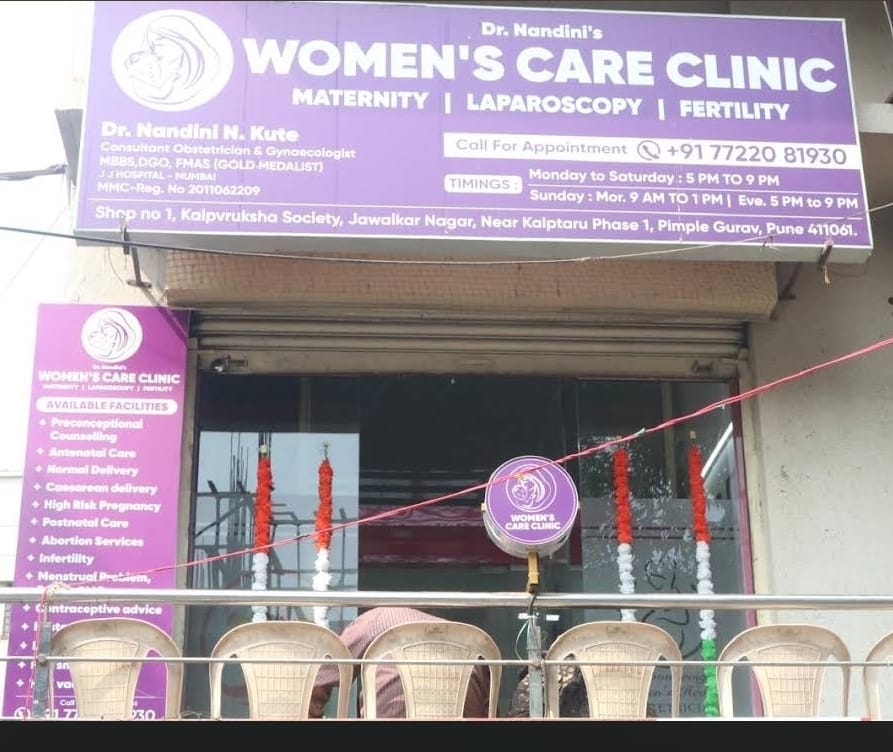
Dr. NANDINI'S
WOMEN'S CARE CLINIC
MATERNITY | LAPEROSCOPY | FERTILITY
“Nurturing Life, Empowering Families.”
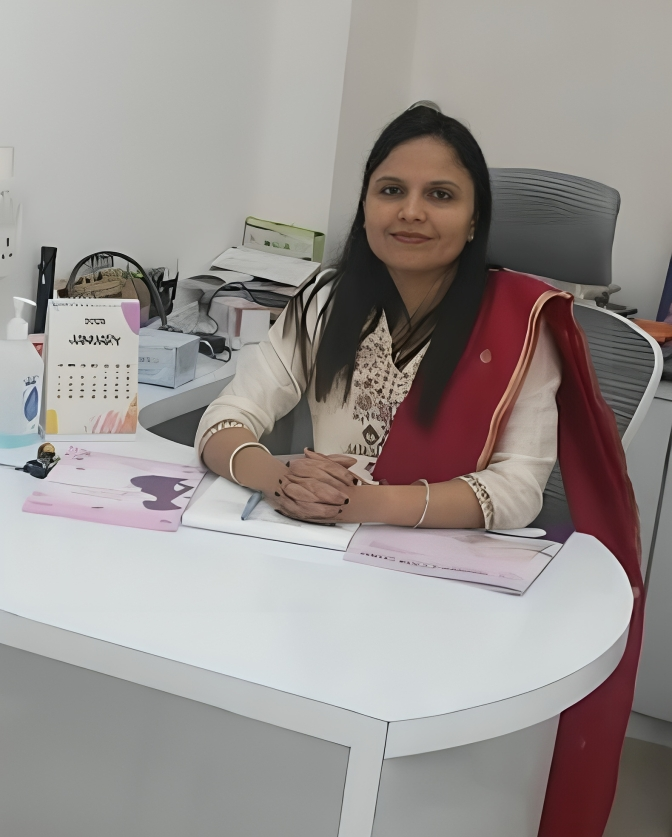
At our Dr. Nandini's Women's Care clinic in Pimple Gurav, we are dedicated to providing comprehensive and compassionate women’s healthcare under the expert guidance of Dr. Nandini N. Kute, Consultant Obstetrician & Gynaecologist.
We offer complete care for every stage of a woman’s life—from preconception counselling, antenatal care, and safe deliveries to advanced gynecological treatments including laparoscopy and hysterectomy. Our clinic specializes in managing high-risk pregnancies, infertility, PCOD, and menstrual disorders with a patient-centric approach.
With modern facilities like Pap smear screening and HPV vaccination, we focus on preventive care along with effective treatment—ensuring every woman receives personalized, safe, and trusted healthcare.
AVAILABLE FACILITIES -
- Preconceptional Counselling
- Antenatal Care
- Normal Delivery
- Caesarean delivery
- High Risk Pregnancy
- Postnatal Care
- Abortion Services
- Infertility
- Menstrual Problem, PCOD, PMC
- Contraceptive advice
- Hysterectomy
- Laparoscopy
- Pap smear
- HPV vaccination
OPD TIME:
- Monday to Saturday: 5 PM to 9 PM
- Sunday: Mor. 9 AM TO 1 PM | Eve. 5 PM to 9 PM
Products/Services
Dr. NANDINI'S WOMEN'S CARE CLINIC
Dr. NANDINI N. KUTE
- MBBS, DGO, FMAS (Gold Medalist)
- JJ Hospital - Mumbai
- Con. Obstetrician and Gynaecologist
- Reg. No - 2011062209
PRECONCEPTIONAL COUNSELLING
Preconceptional counselling is a medical consultation before planning pregnancy, aimed at optimizing a woman’s health for safe conception. It includes evaluation of medical history, nutrition, lifestyle, vaccinations, and risk factors.
It is necessary to prevent complications, manage existing conditions like diabetes or PCOD, reduce birth defects, and improve maternal and fetal outcomes for a healthy pregnancy journey.

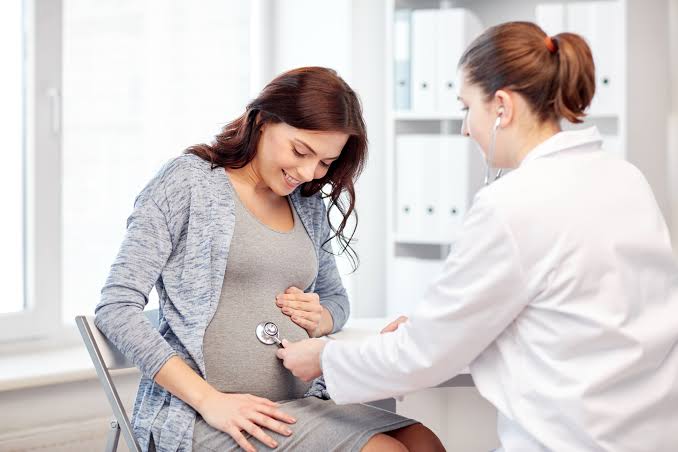
ANTENATAL CARE
Antenatal care is the regular medical supervision of a woman during pregnancy to monitor the health of both mother and baby. It includes routine check-ups, ultrasounds, nutritional guidance, and screening tests.
It is necessary to detect complications early, manage high-risk conditions, ensure proper fetal development, and promote a safe pregnancy, ultimately leading to a healthy delivery outcome.
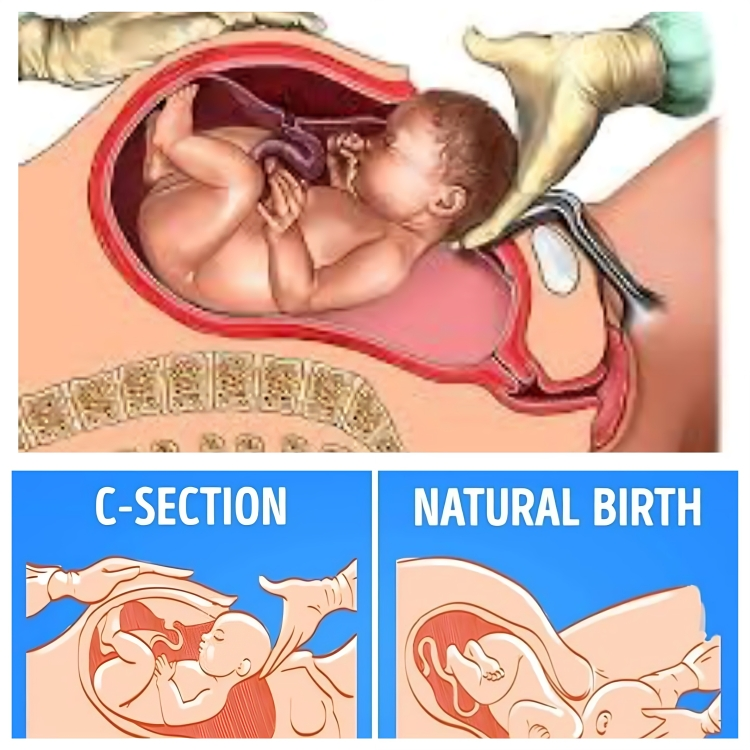
DELIVERY (NORMAL & CESAREAN)
Normal delivery is a natural method of childbirth that is typically less complicated and allows for a quicker recovery. LSCS (Lower Segment Cesarean Section) is a surgical procedure in which an incision is made in the mother's abdomen to deliver the baby. While normal delivery offers a natural birthing experience, LSCS is chosen for medical reasons or complications to ensure a safe delivery for both mother and baby.
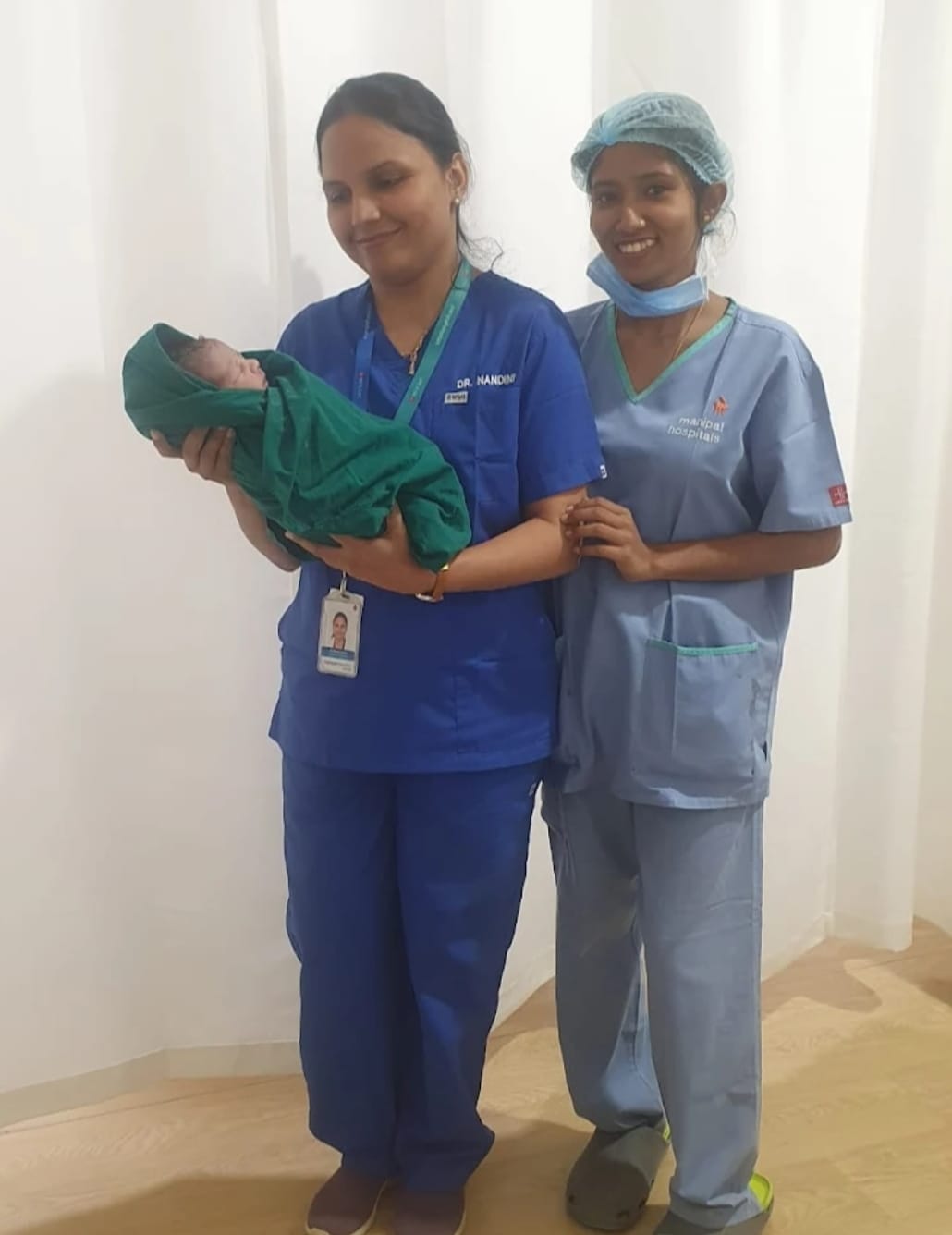
POSTNATAL CARE
Postnatal care is the medical care provided to a mother and newborn immediately after delivery and during the recovery period. It includes monitoring physical healing, breastfeeding support, nutrition, and newborn care guidance.
It is necessary to detect complications early, prevent infections, support emotional well-being, ensure proper recovery, and promote the healthy growth and development of the baby.

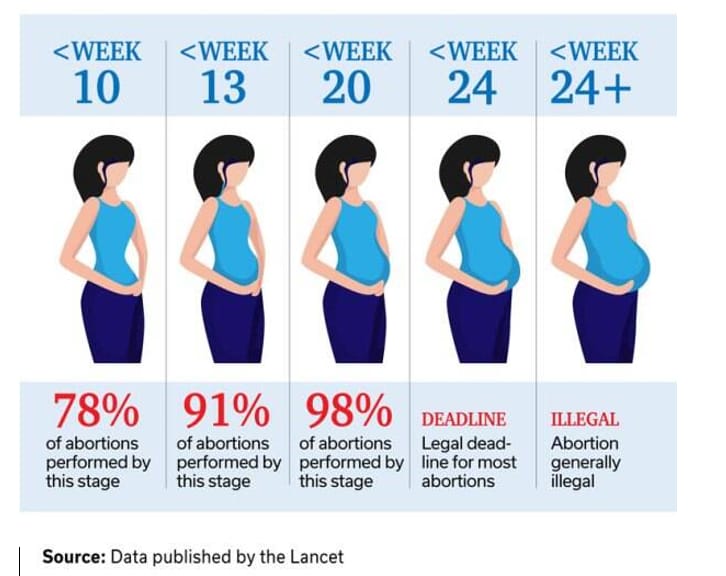
LEGAL ABORTION SERVICE
Legal abortion services are safe, medically supervised procedures performed by qualified practitioners in accordance with the law to terminate a pregnancy. They include proper counselling, clinical evaluation, consent, and post-procedure care.
These services are necessary to protect a woman’s health, prevent unsafe abortions, reduce maternal morbidity and mortality, uphold reproductive rights, and ensure access to confidential, ethical, and evidence-based medical care.
FEMALE INFERTILITY
Inability to conceive is referred to as infertility. Both women and men play an equally important role in conception. About 30% of infertility cases are due to male-related factors, another 30% are related to female factors, and the remaining 40% involve issues in both partners.
Causes of Infertility in Women:
- Defects in female reproductive organs
- Polycystic Ovary Syndrome (PCOS)
- Hormonal imbalances
- Pelvic Inflammatory Disease (PID)
- Conditions like endometriosis and uterine fibroids
- Advanced maternal age
- Being overweight or obese
- Hypothyroidism
- Smoking and alcohol addiction
- Mental stress
- Malnutrition or physical weakness
- Sexually transmitted diseases
- Side effects of chemotherapy or radiation therapy
- Overuse of painkillers or medications for mental health conditions
- Improper use of contraceptive pills and medications etc.

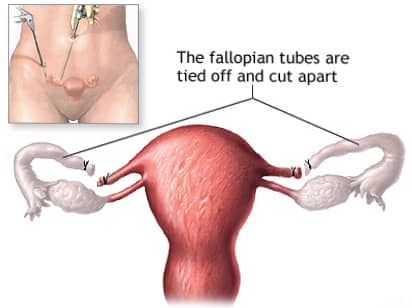
FAMILY PLANNING SURGERIES
Family planning surgeries are permanent contraceptive procedures, such as tubal ligation in women and vasectomy in men, performed to prevent future pregnancies. These are safe, effective, and one-time methods chosen by individuals or couples who have completed their families.
They are necessary to avoid unintended pregnancies, reduce health risks from repeated childbirth, support population control, and promote long-term reproductive health and family well-being.
PCOD
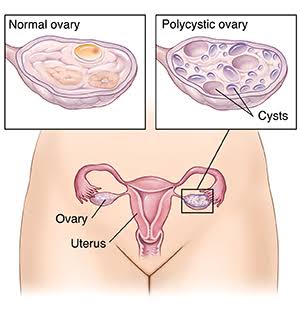
PCOD (Polycystic Ovarian Disease) is a hormonal disorder in women where the ovaries produce excess androgens, leading to irregular ovulation and multiple small cysts.
Common symptoms include irregular or missed periods, weight gain, acne, excessive hair growth (hirsutism), hair thinning, and difficulty in conceiving. Early diagnosis and proper management help prevent complications like infertility, diabetes, and metabolic disorders.
MENSTRUAL PROBLEMS
Menstrual problems refer to abnormalities in a woman’s menstrual cycle affecting timing, flow, or associated symptoms. Common issues include irregular periods, heavy or scanty bleeding, missed periods, and painful menstruation (dysmenorrhea).
Symptoms may include abdominal cramps, fatigue, mood changes, headaches, and back pain. Proper evaluation is important to identify underlying hormonal or medical causes and ensure effective management.

HYSTERECTOMY
Hysterectomy is a surgical procedure to remove the uterus, performed for conditions like fibroids, abnormal bleeding, endometriosis, or cancer. It can be done via abdominal, vaginal, or laparoscopic methods.
Benefits include relief from chronic pain, heavy bleeding, and pressure symptoms, improved quality of life, and elimination of the risk of uterine-related diseases. Proper evaluation ensures appropriate patient selection.
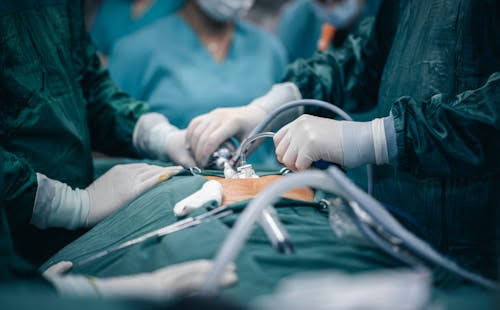
LAPAROSCOPY
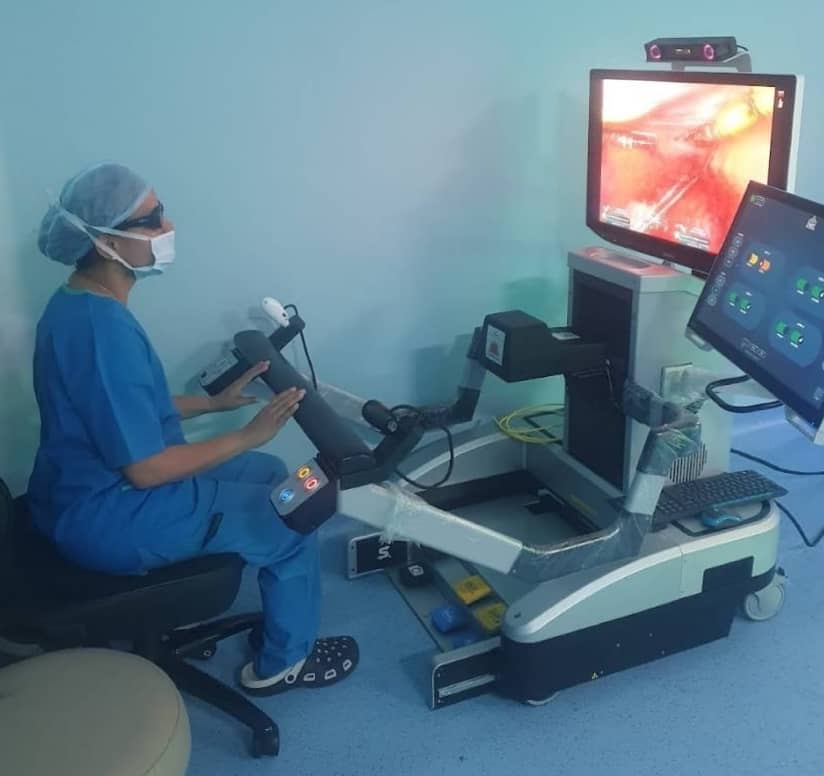
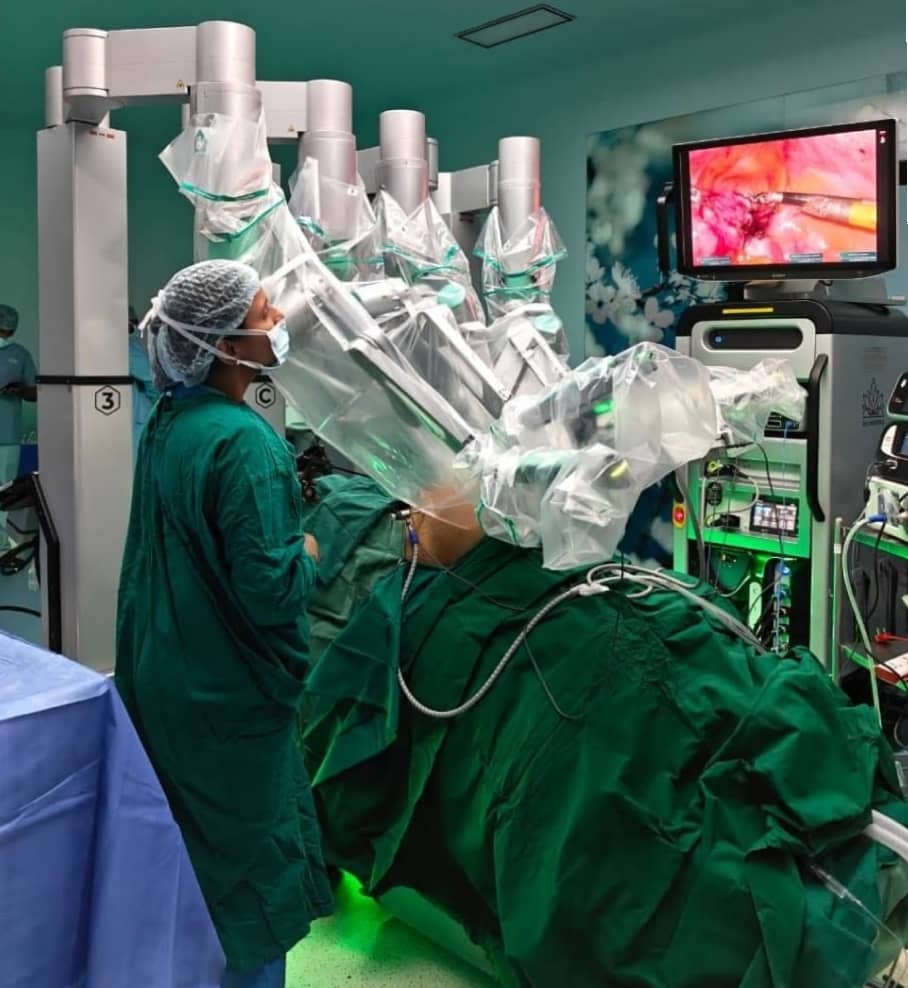
Laparoscopy is a minimally invasive surgical technique performed using small incisions and a camera to diagnose and treat gynecological conditions such as ovarian cysts, infertility, and fibroids.
Benefits include less pain, minimal scarring, shorter hospital stay, faster recovery, and reduced risk of complications, allowing patients to return quickly to normal daily activities.
PAP SMEAR SCREENING
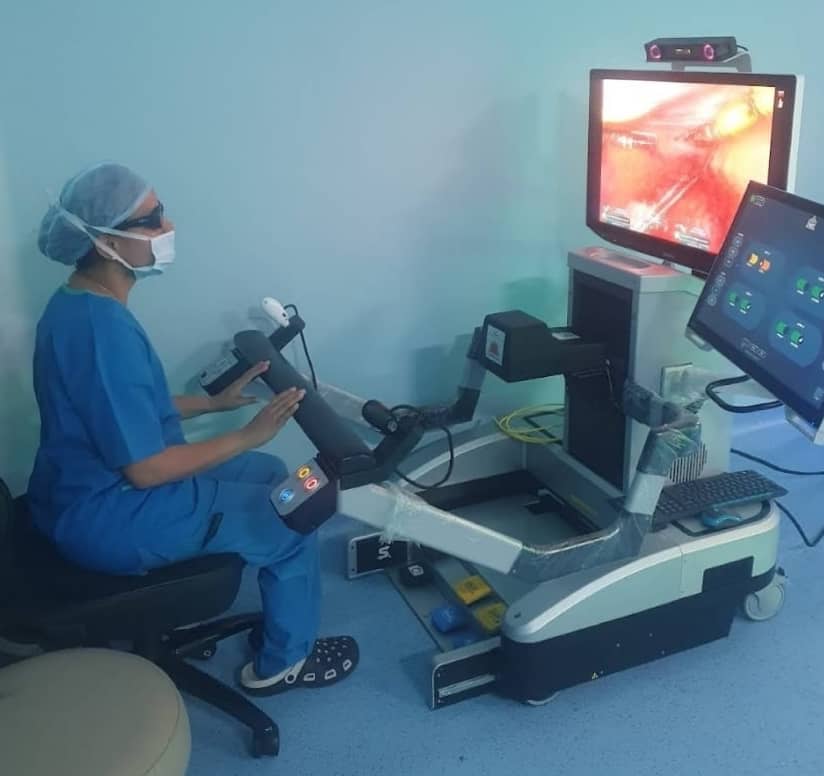
A Pap smear is a simple screening test used to detect abnormal or precancerous cells in the cervix. It involves collecting a small sample of cervical cells for laboratory examination.
Benefits include early detection of cervical cancer, timely treatment, reduced mortality, and improved reproductive health. Regular screening plays a vital role in preventive women’s healthcare.
HPV VACCINATION
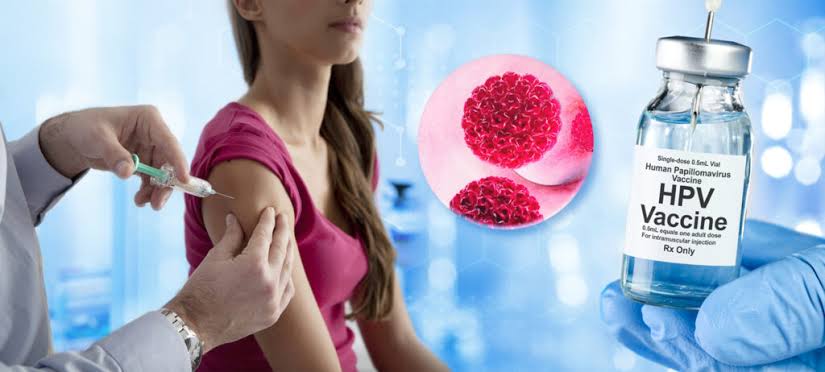
HPV vaccination is a preventive vaccine that protects against the Human Papillomavirus, a major cause of cervical cancer and genital warts. It is recommended for adolescents and young adults before exposure to the virus.
Benefits include strong protection against cervical cancer, reduced risk of HPV-related diseases, long-term immunity, and promotion of women’s reproductive health through effective prevention.
Gallery