About Us
PACE
HEART CLINIC
"Caring for Every Heartbeat."
Timing: Eve. 6:00 PM to 9:00 PM (Sunday Off)
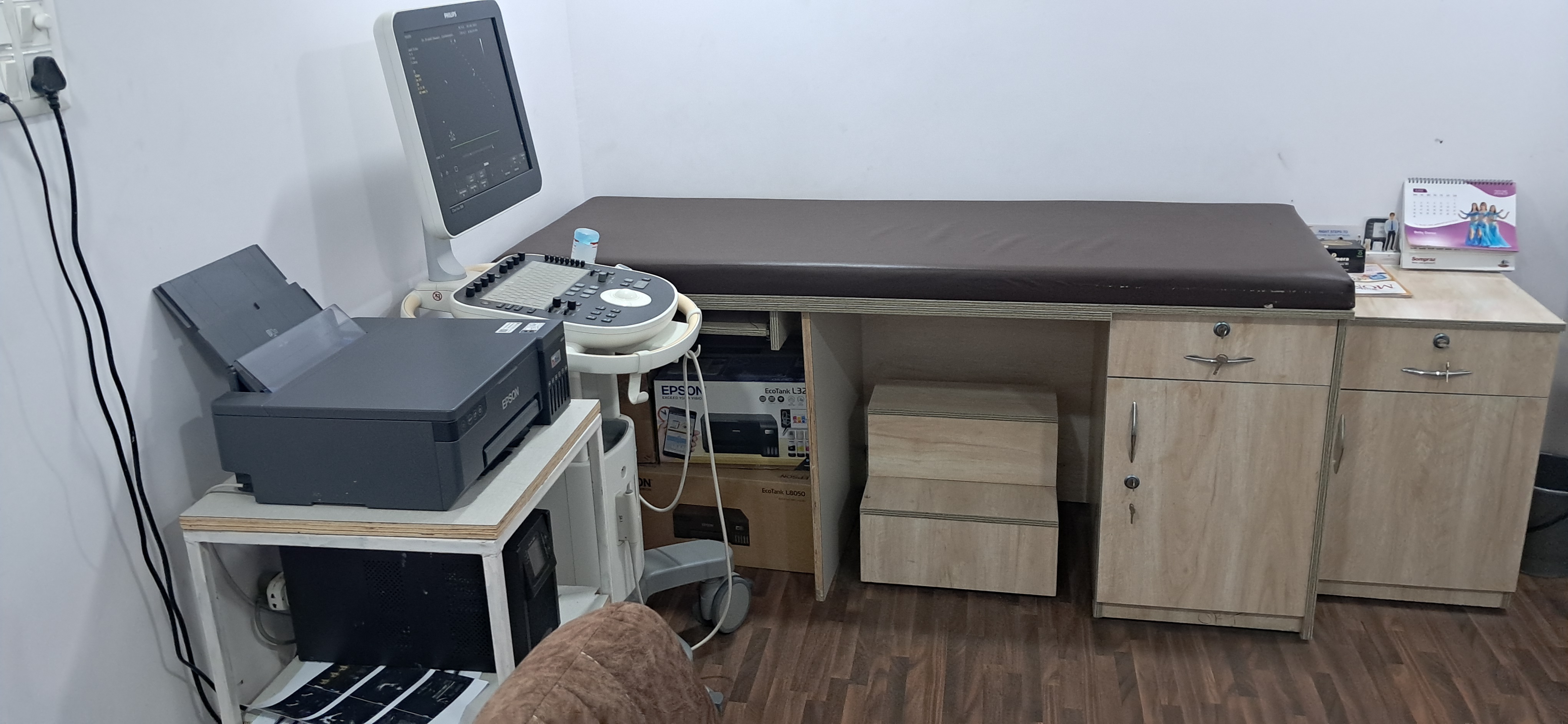
Pace Heart Clinic, located in Sakkardara, Nagpur, is dedicated to providing advanced cardiac care with compassion and precision. We offer comprehensive heart health services including Cardiac Consultation, ECG, 2D Echo, Color Doppler Study, TMT, Holter Monitoring (24-hour ECG), and ABPM (24-hour BP Monitoring). Our clinic combines modern diagnostic tools with expert care to ensure accurate diagnosis, early detection, and effective management of heart-related conditions for all our patients.
AVAILABLE FACILITIES:
- Cardiac Consultation
- ECG
- 2D ECHO
- Color Doppler Study
- TMT (Treadmill Test)
- Holter Monitor (24 Hour ECG)
- ABPM (24 Hour BP Monitor)
OUR EXPERTIES:
- Coronary Angiography.
- Coronary Angioplasty.
- Permanent Pacemakers, AICD Implantation.
- ASD, VSD, PDA Device Closure.
- Renal Angiography, Renal Angioplasty.
- IVC Filter.
- Echocardiography and Color Doppler Study.
- Surgical Fitness Opinion.
Products/Services

PACE HEART CLINIC
Dr. PRAFULL DHEWLE
- MBBS (GMC Nagpur)
- MD - Medicine (IGGMC, Nagpur)
- DM - Cardiology (Jaydeva Inst. Of Cardiology, Bangalore)
- DNB - Cardiology ( New Delhi)
- Consultant Interventional Cardiologist
He has completed DM cardiology from one of the largest and most prestigious institue of Cardiology, Sri jayadeva institute of cardiovascular sciences and research, Bengaluru.

HEART DISEASES
Heart disease refers to a disorder in the functioning of the heart or blood vessels. This may include blocked blood flow, weakened heart muscles, or irregular heart rhythms. These conditions can be life-threatening, so timely treatment by a heart specialist is essential.
Symptoms of Heart Disease:
- Chest pain, heaviness in the chest, excessive sweating, and a feeling of suffocation.
- Shortness of breath and chest pain while walking.
- Palpitations or irregular heartbeat—either faster or slower than normal.
- Swelling in the hands, feet, or face.
- Sudden dizziness or fainting while walking, sometimes leading to a fall.
- Consistently high blood pressure above the normal range.
- A noticeable sense of irregular heartbeats.
- Pain in the hands, jaw, throat, upper abdomen, or back—these may also indicate heart disease.
- Blue discoloration of the fingers, tongue, or lips.
- Breathlessness that disturbs sleep or occurs when lying flat.
- Feeling extremely tired or fatigued very quickly.
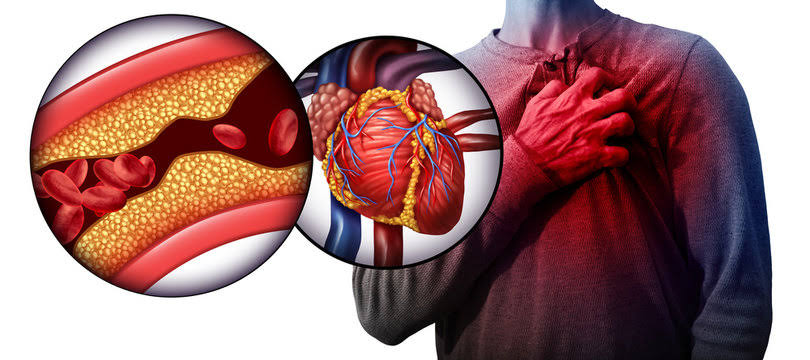
HEART ATTACK
The coronary arteries supply blood and oxygen to the heart. When these arteries become blocked due to any reason, the blood flow to the heart is interrupted. As a result, the heart muscles (myocardium) begin to get damaged or die, leading to a heart attack.
Symptoms:
- A feeling of pressure or heaviness in the chest
- Chest pain or discomfort
- Pain that begins in the center of the chest and may radiate to the neck, shoulder, jaw, or left arm
- Restlessness, uneasiness, or a sense of fear
- Sudden, excessive sweating
- Weakness or extreme fatigue
- Nausea or vomiting
- Dizziness or feeling faint
- Shortness of breath or difficulty breathing
- Needing to breathe heavily or gasp for air
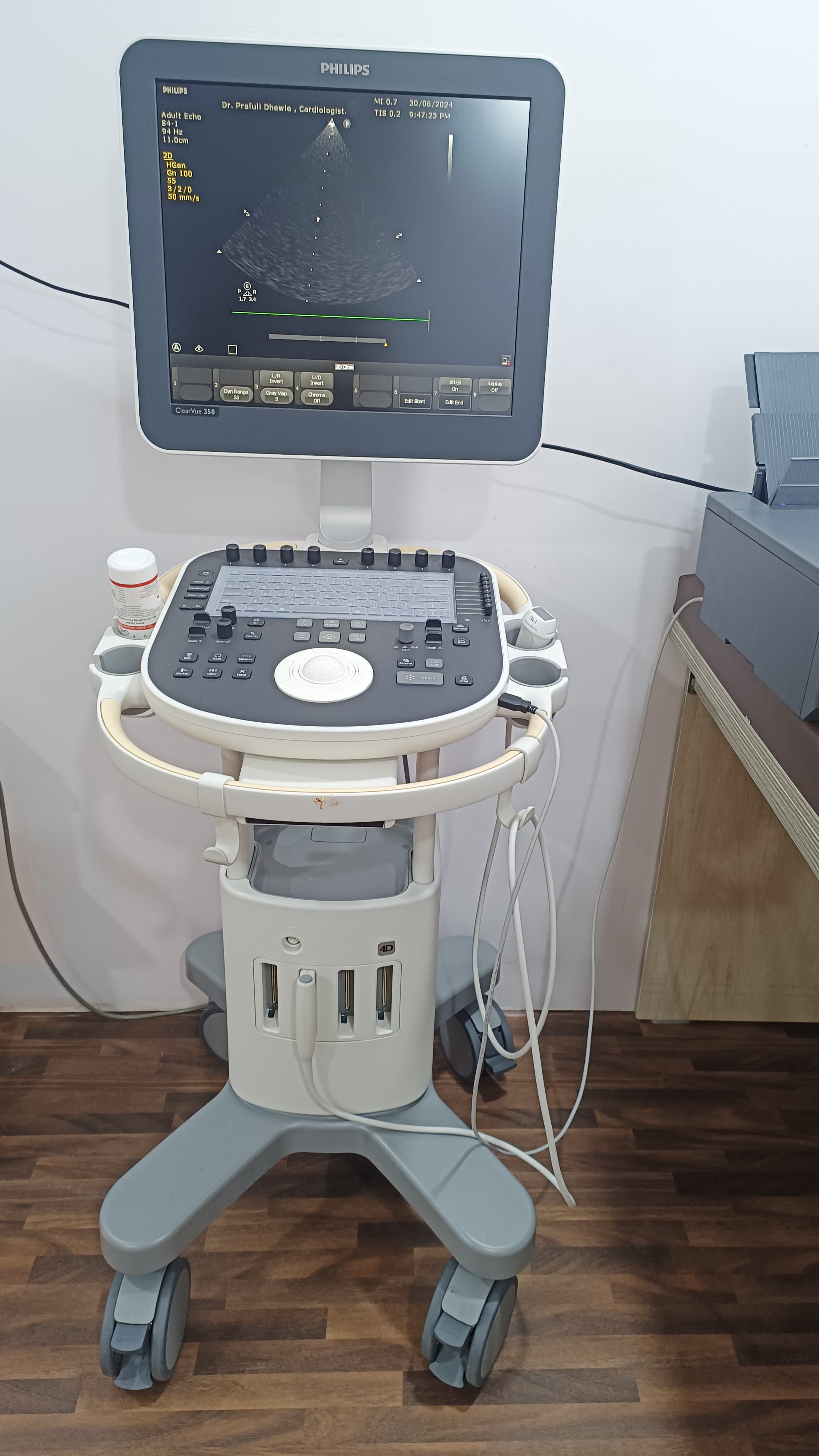
ECHOCARDIOGRAM (2D ECHO)
This is essentially an ultrasound of your heart. It provides a live image of the heart’s structure and function. This test helps doctors understand various heart-related issues such as the heart’s pumping efficiency (ejection fraction), detection of heart attacks, heart failure, valve problems, blockages, congenital heart defects, and enlarged heart chambers.
Why is a 2D Echo test necessary?
- To detect a heart attack
- To identify any problems in the heart valves
- To assess the effectiveness of treatment after medication or surgery
- To measure the heart's pumping capacity
- To detect blood clots inside the heart chambers
- To check for fluid accumulation around the heart (pericardial effusion)
- To diagnose heart defects in an unborn baby
- To check for tumors or infectious growths on the heart valves
ELECTROCARDIOGRAM (ECG)
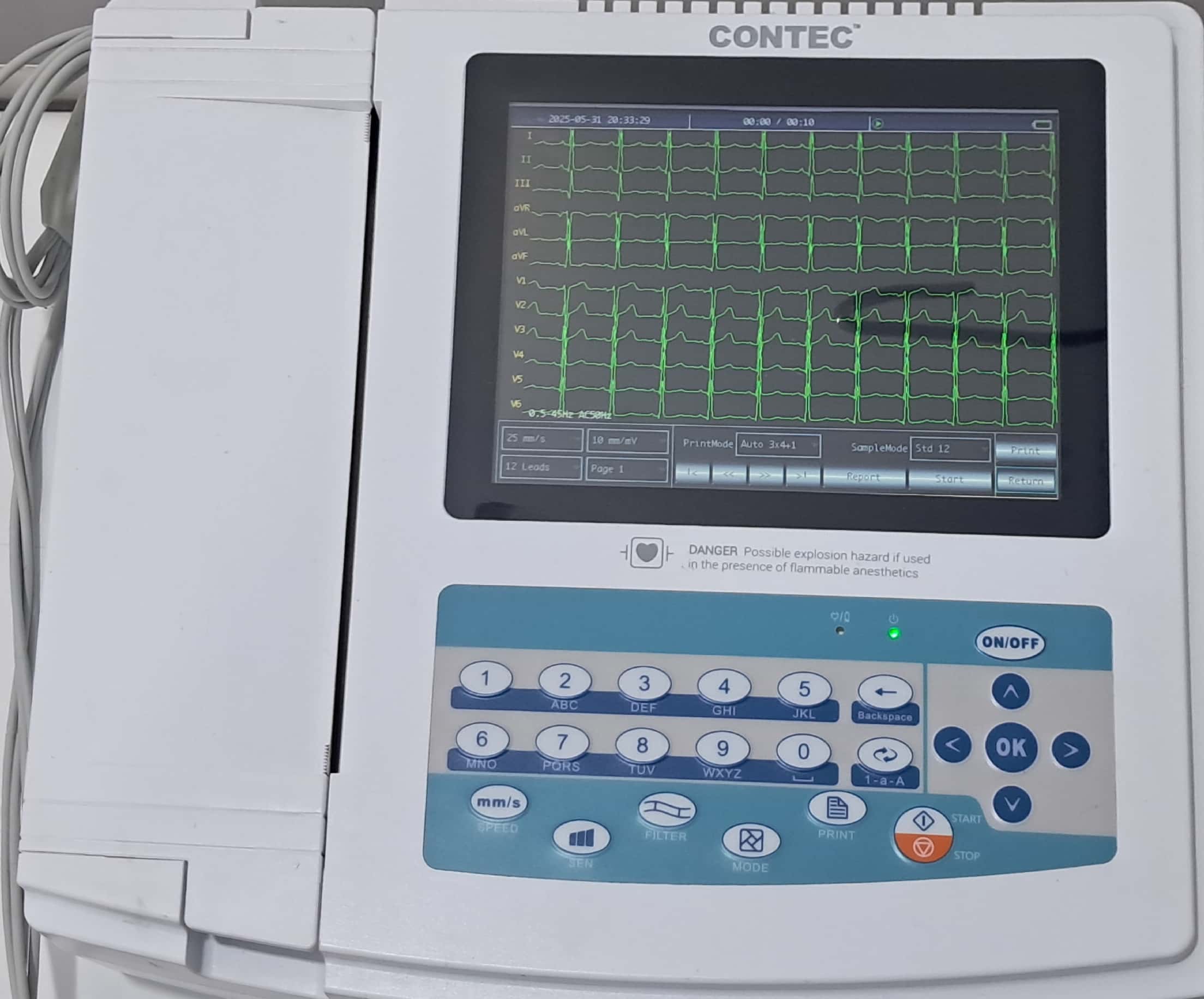
An Electrocardiogram (ECG or EKG) is a test that records the electrical activity of your heart by placing temporary electrodes on your chest, arms, and legs. These electrical signals control the rhythm of your heartbeat. A computer converts this data into wave patterns that can be analyzed by your cardiologist.
When is an ECG used?
- To check whether your heart rate is normal or if there is arrhythmia (irregular heartbeat)
- To detect if the heart muscles are receiving adequate blood supply or if there is ischemia due to coronary artery disease
- To diagnose a heart attack
- To identify abnormalities such as enlarged heart chambers or electrical conduction blocks
- To assess heart damage or heart failure

HOLTER MONITORING
Holter monitors are highly valuable tools used for diagnosing and monitoring various heart-related issues. They are particularly effective in observing irregular heartbeats (arrhythmias), evaluating chest pain, and assessing the effectiveness of specific heart medications. Skilled healthcare professionals carefully analyze the data recorded by the Holter monitor to detect electrical irregularities in heart function, making it easier to diagnose and treat cardiac conditions.
Why is Holter Monitoring used?
- To detect heart rhythm irregularities
- To investigate causes of chest pain: The Holter monitor acts as a continuous observer of your heart's activity and records its electrical signals
- To evaluate the effectiveness of medications
- Holter monitoring provides doctors with vital information about your heart's overall function
.jpeg)
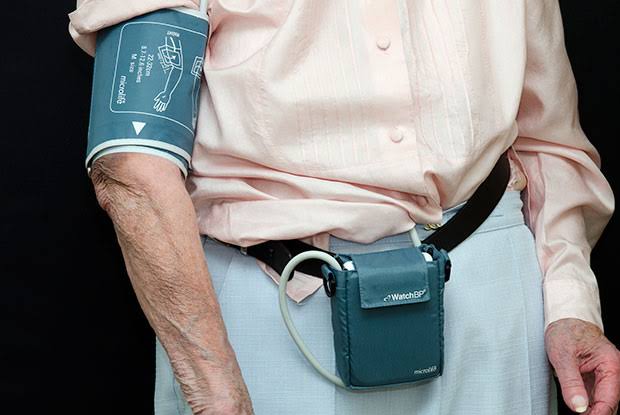
AMBULATORY BLOOD PRESSURE MONITORING (ABPM)
ABPM is a diagnostic procedure used to measure a patient’s blood pressure over an extended period—typically 24 hours or more. This test is essential for the assessment and management of high blood pressure (hypertension), which is a major risk factor for heart disease and other cardiovascular conditions.
Who needs a 24-hour ABPM test?
- Individuals concerned about high blood pressure
- Those with unexplained fluctuations in blood pressure
- Pregnant women with high blood pressure, for ongoing monitoring
- To evaluate borderline hypertension
- Patients with blood pressure that remains uncontrolled despite medication (refractory hypertension)
- ABPM is also helpful for detecting low blood pressure (hypotension) or unexplained fainting episodes
TMT (TREADMILL TEST)
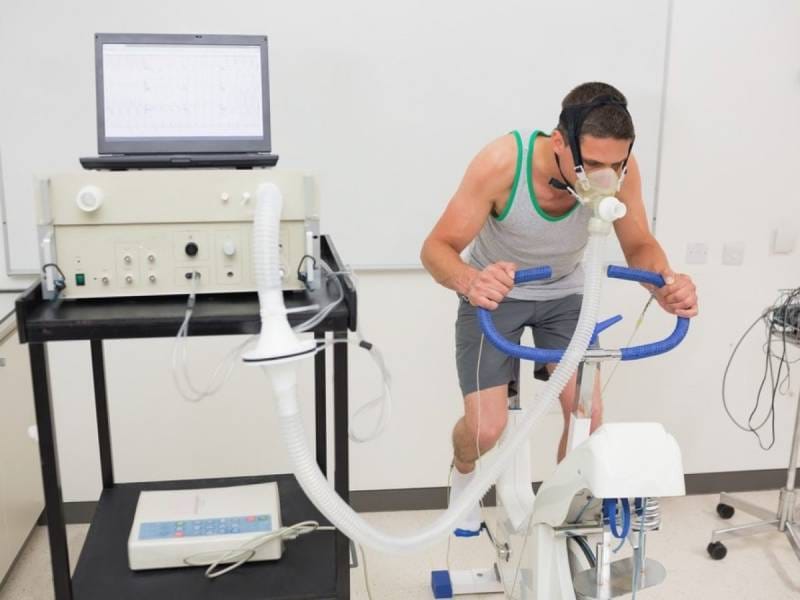
A Treadmill Exercise Stress Test, also called a Treadmill Test (TMT) or Exercise Stress Test, is used to see how the heart works during physical activity. Exercise makes the heart work harder and pump more blood, which helps doctors check for any problems with blood flow in the heart, such as blockages in the heart’s arteries (Coronary Artery Disease).
During the test, your heart's electrical activity is monitored using an electrocardiogram (EKG). This helps doctors observe how your heart responds to exercise and detect any abnormal changes.
Why is the test done?
- To detect coronary artery disease (narrow or blocked heart arteries)
- To identify irregular heart rhythms
- To help guide treatment for heart conditions
- To check heart function before surgery
ANGIOGRAPHY
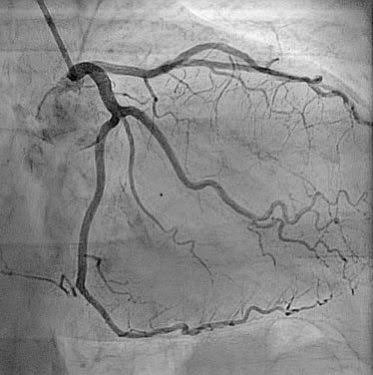
Angiography is a medical imaging procedure used to examine blood vessels from the inside. It mainly focuses on checking the arteries and chambers of the heart. During this procedure, a special dye (contrast agent) is injected into the blood vessels, and X-ray imaging is used to capture detailed pictures.
Why is Angiography done?
Diagnosis: To find the cause of blockages, narrowing of arteries, or swelling (aneurysms) in blood vessels.
It helps doctors make an accurate diagnosis and decide on the best course of treatment.
It assists cardiologists in properly guiding treatment through the blood vessels and avoiding potential risks.
It helps monitor how your condition is progressing and how effective the treatment is.
It is valuable for understanding blood vessel diseases and testing new treatment methods.
ANGIOPLASTY
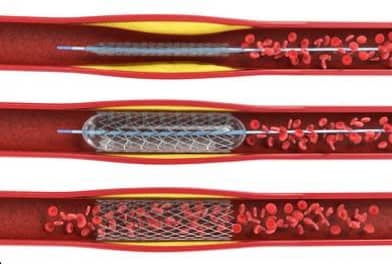
Angioplasty is a procedure used to open up the heart’s blood vessels that have become narrowed or blocked due to coronary artery disease. It helps restore blood flow to the heart without the need for open-heart surgery. Angioplasty is often performed in serious conditions, such as during a heart attack. This procedure is also known as Percutaneous Coronary Intervention (PCI).
When is Angioplasty needed?
- When blockages are found in the heart’s blood vessels
- When medications or lifestyle changes have not significantly improved heart health
- If you are experiencing chest pain (angina)
PACEMAKER
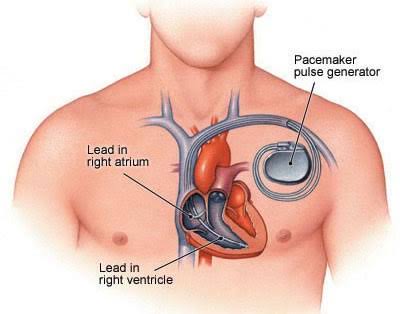
A pacemaker is a medical device that helps regulate the heart's rhythm by sending small electrical impulses to the heart muscles. It maintains a proper heartbeat or stimulates the lower chambers of the heart (ventricles) as needed.
Why is a pacemaker needed?
- Bradyarrhythmia: A slow heart rate due to problems in the heart’s electrical system.
- Syncope: Episodes of fainting or loss of consciousness.
- Hypertrophic Cardiomyopathy: A complex heart condition that affects the heart muscles, making them abnormally thick.
- Tachy-Brady Syndrome: Alternating episodes of fast and slow heartbeats.
- Heart Block
Gallery