About Us
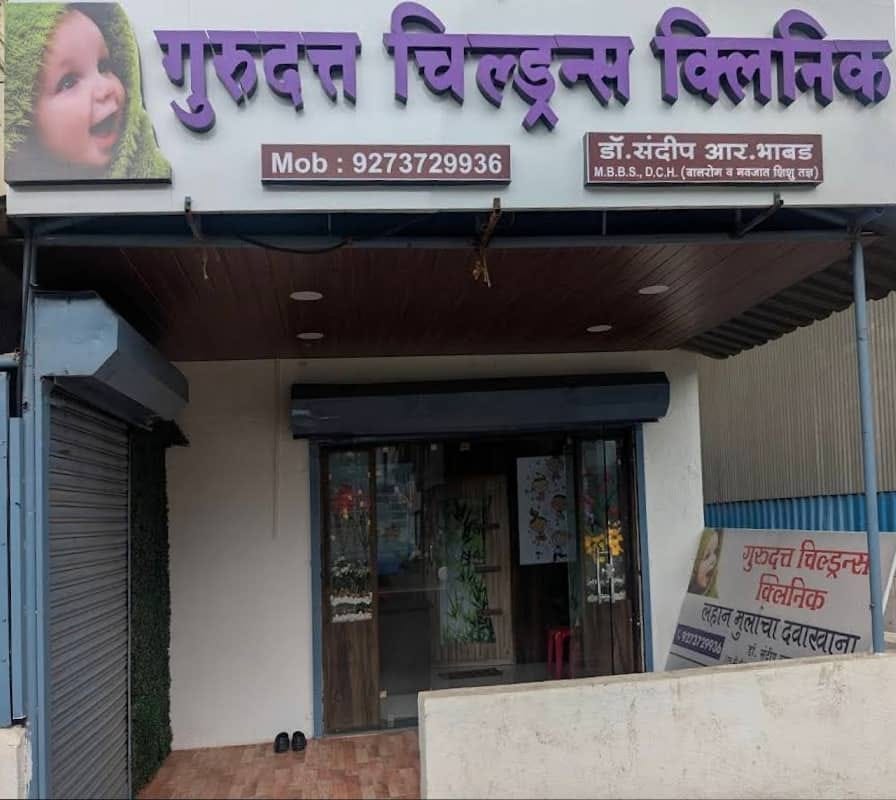
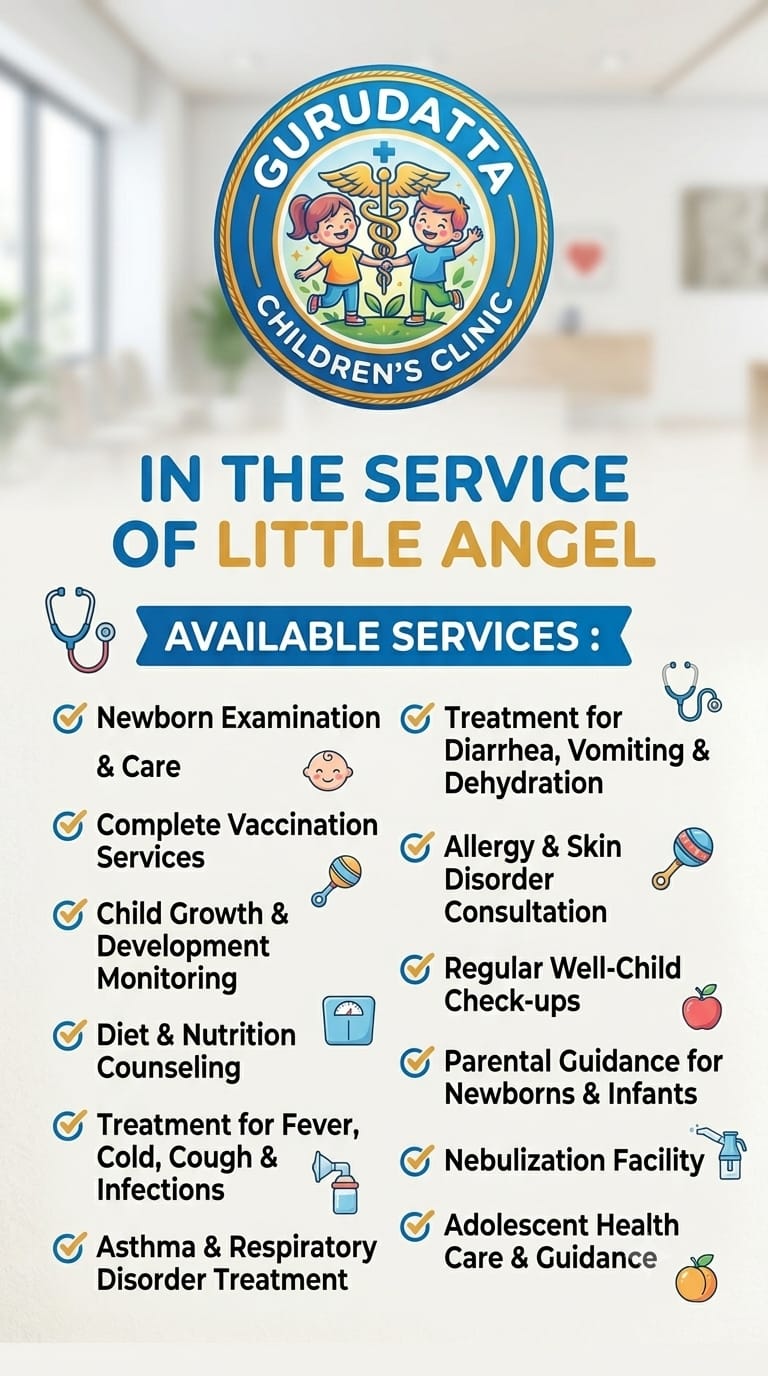
GURUDATTA
CHILDREN'S CLINIC
"IN THE SERVICE OF LITTLE ANGELS".
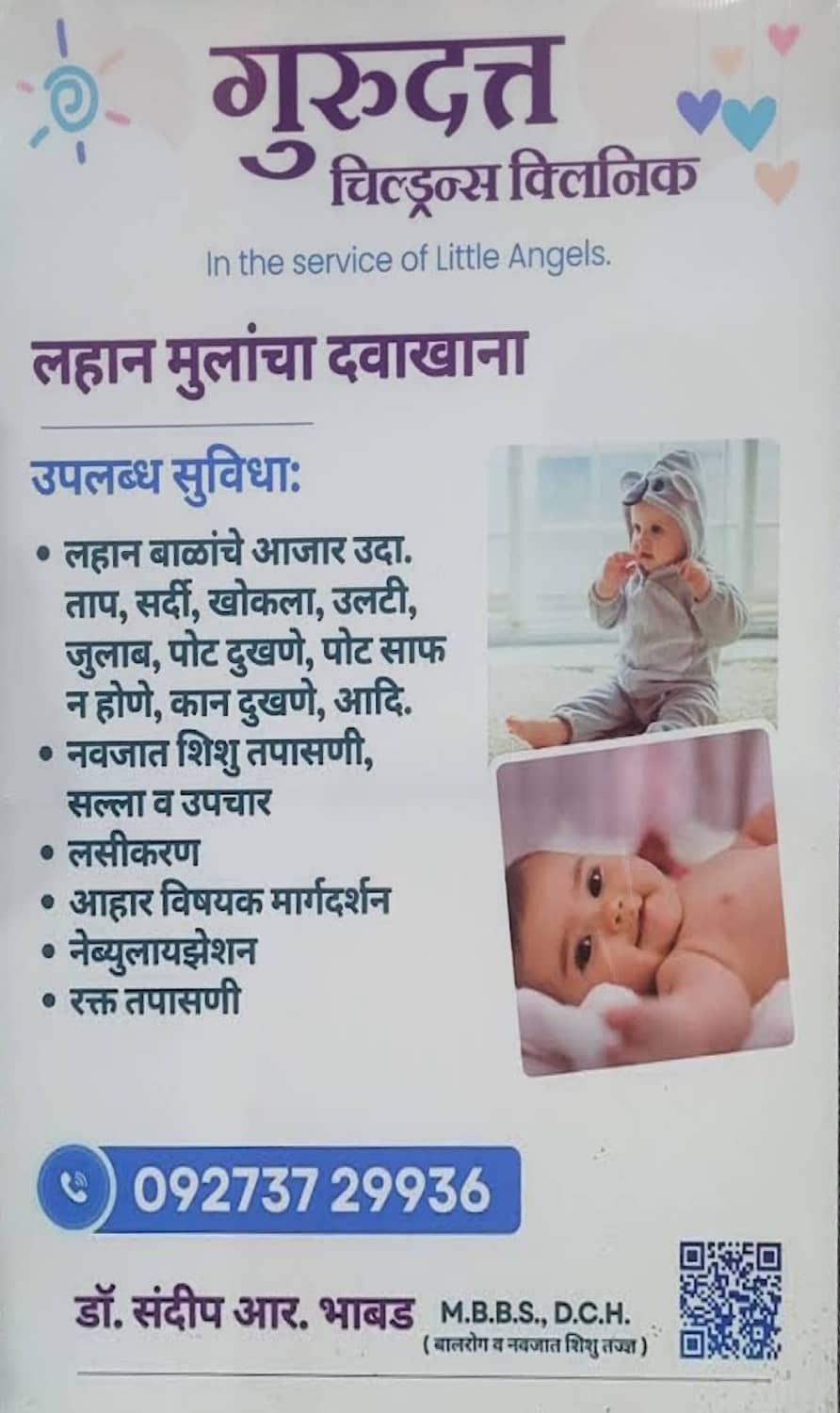
Gurudatta Children's Clinic, Rahatani, led by Dr. Sandeep Bhabad, provides comprehensive and compassionate healthcare for newborns, infants, children, and adolescents. We offer newborn examination and care, complete vaccination, growth and development monitoring, nutrition counseling, and treatment for common childhood illnesses, infections, asthma, respiratory disorders, allergies, skin problems, diarrhea, vomiting, and dehydration. With regular well-child check-ups, nebulization, school health consultations, and expert parental guidance, we strive to support every child’s healthy growth, development, and overall well-being.
AVAILABLE SERVICES :
- Newborn Examination & Care
- Complete Vaccination Services
- Child Growth & Development Monitoring
- Diet & Nutrition Counseling
- Treatment for Fever, Cold, Cough & Infections
- Asthma & Respiratory Disorder Treatment
- Treatment for Diarrhea, Vomiting & Dehydration
- Allergy & Skin Disorder Consultation
- Regular Well-Child Check-ups
- Parental Guidance for Newborns & Infants
- Nebulization Facility
- Adolescent Health Care & Guidance
TIMING:
- Morning - 10 am to 2 pm
- Evening - 5 pm to 9:30 pm
- Sunday - 11 am to 2 pm
Products/Services
GURUDATTA CHILDREN'S CLINIC
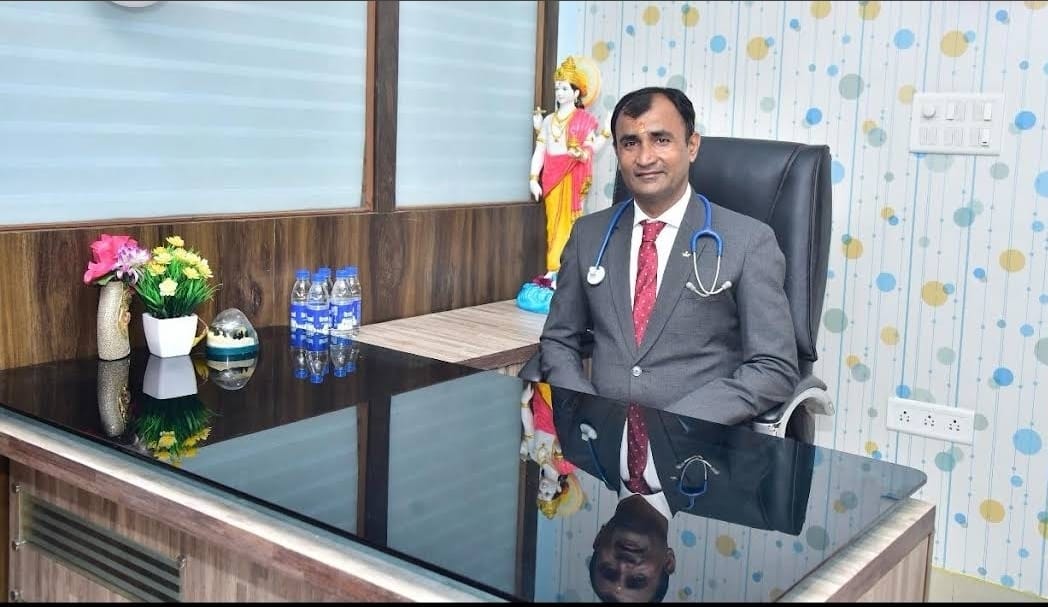
Dr. SANDEEP R. BHABAD
- M.B.B.S., D.C.H.
- Reg. No.: 2003/11/3737
- बालरोग व नवजात शिशु तज्ञ
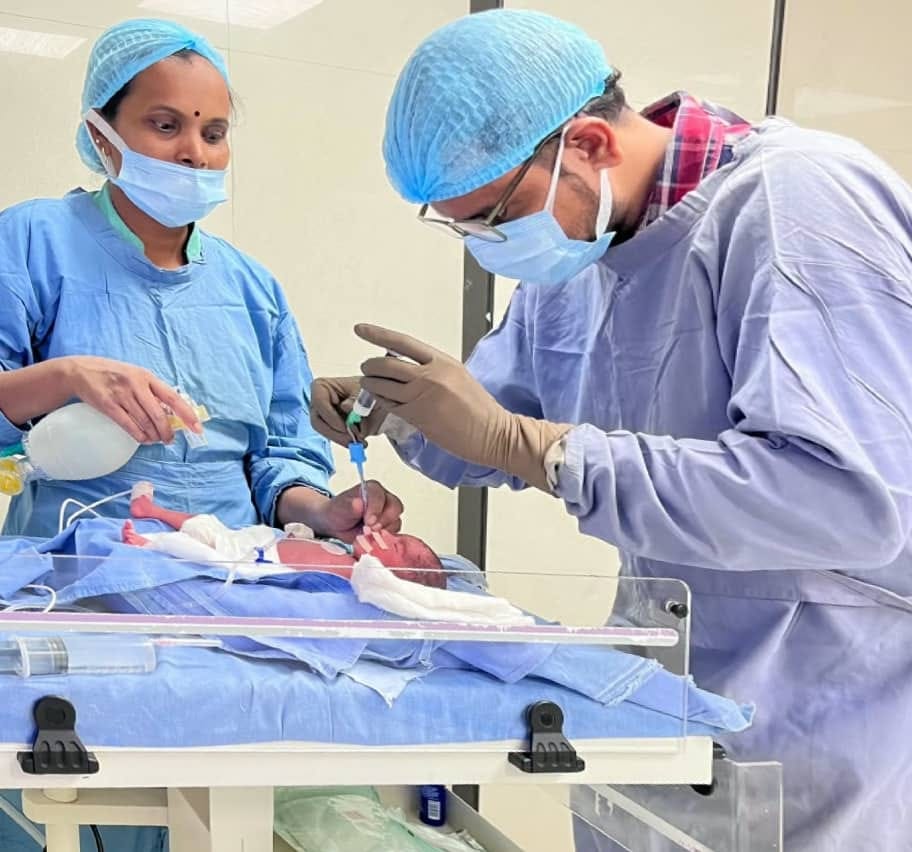
NEWBORN CARE
Newborn care includes essential medical and developmental support provided immediately after birth.
It involves maintaining temperature, proper feeding, monitoring breathing, vitals, jaundice, weight, and assessing reflexes and congenital conditions. Cord care, hygiene, breastfeeding guidance, and immunization initiation are also included.
Screening for metabolic, hearing, and congenital heart disorders is important. Early bonding, safe sleeping, and parental education help support healthy growth and prevent complications during this critical adjustment period.
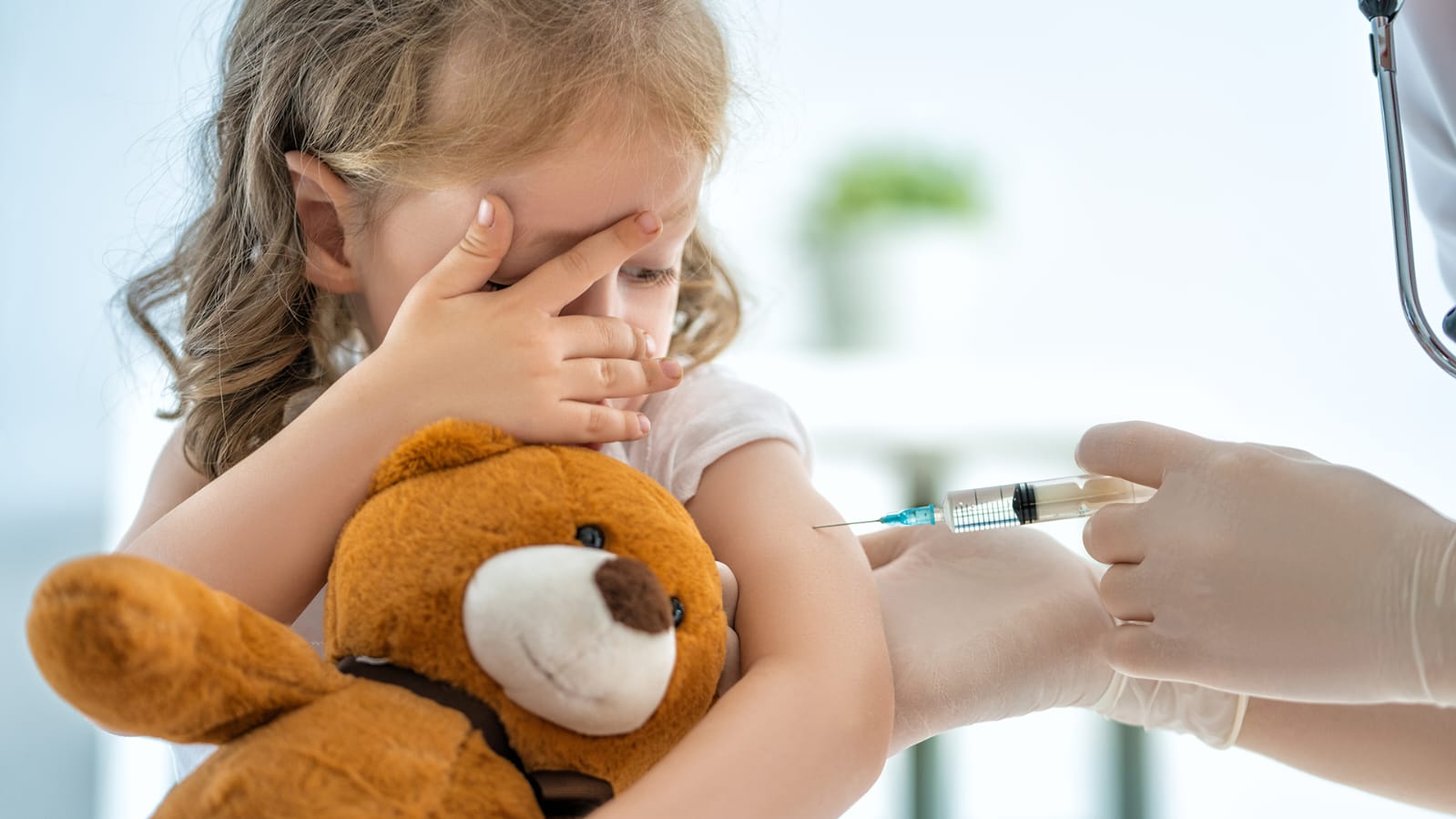
CHILD VACCINATION
Regular vaccination helps protect infants / Children from many diseases. Timely vaccination of your child is not only essential for their health but also a social responsibility.
Age of Child (0-15 day) : Vaccination - HBV 0, BCG, OPV.
Age of Child (1 1/2 Months) : Vaccination - DPT 1, HBV 1, HIB 1, IPV 1, Rotavirus 1, Pneumococcal 1.
Age of Child (2 1/2 Months) : Vaccination - DPT 2, HBV 2, HIB 2, IPV 2, Rotavirus 2, Pneumococcal 2.
Age of Child (3 1/2 Months) : Vaccination - DPT 3, HBV 3, HIB 3, IPV 3, Rotavirus 3, Pneumococcal 3.
Age of Child (6 Months) : Vaccination - Influenza 1
Age of Child (7 Months) : Vaccination - Influenza 2
Age of Child (9 Months) : Vaccination - MMR 1, Typhoid Conjugate Vaccine.
Age of Child (12 Months) : Vaccination - Hepatitis A, JE 1
Age of Child (13 Months) : Vaccination - JE 2
Age of Child (15 Months) : Vaccination - MMR 2, Chicken Pox, Pneumococcal Booster
Age of Child (18 Months) : Vaccination - DPT Booster 1, HIB Booster, IPV Booster 1.
Age of Child (5 years) : Vaccination - DPT Booster 2, IPV Booster 2, MMR 3
Age of Child (10 years) : Vaccination - Tdap / Td, HPV.
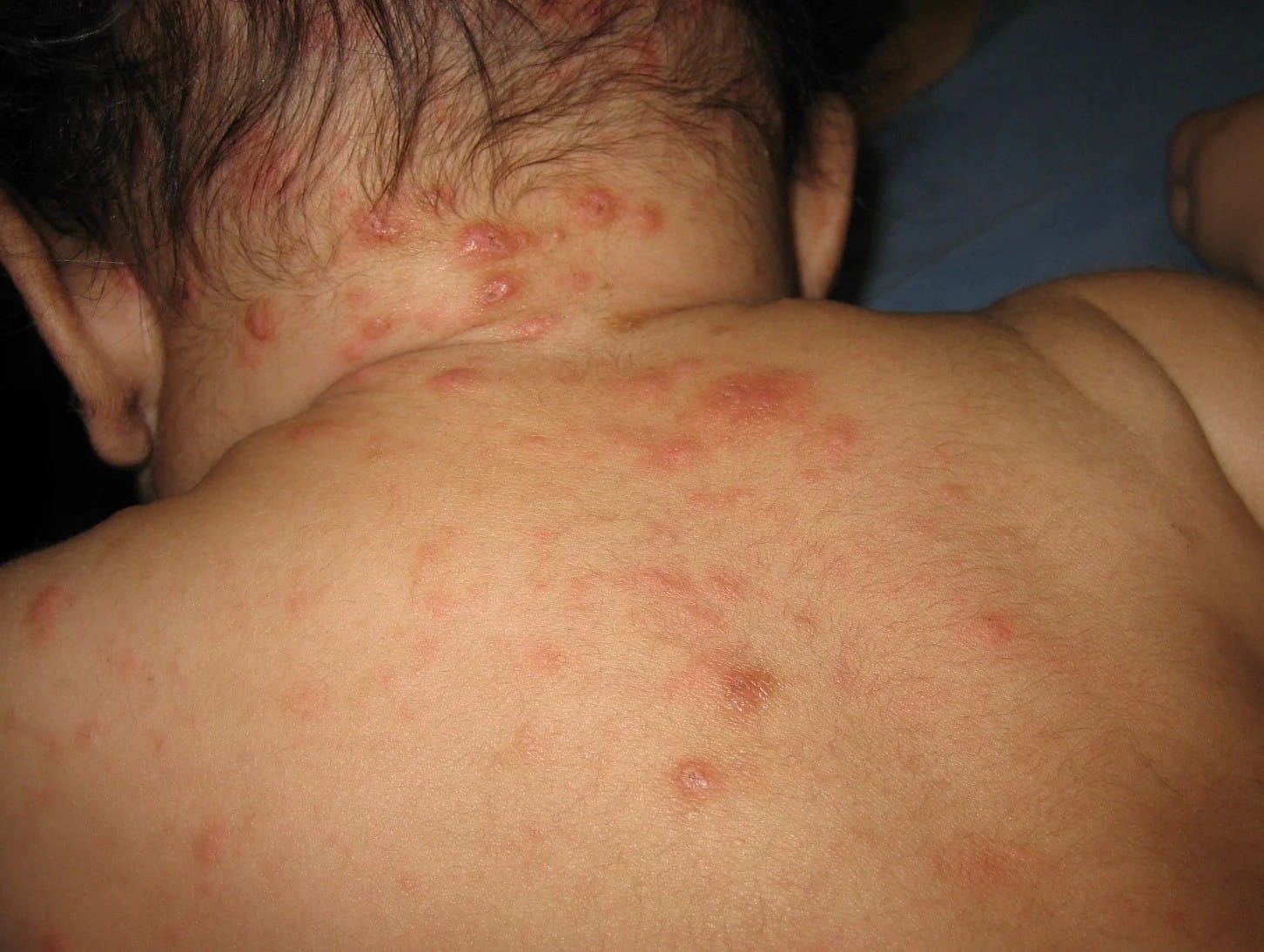
SKIN RELATED PROBLEMS
Baby’s skin is delicate and sensitive, making it more susceptible to infections, dryness, rashes, and other skin problems.
Common Skin Conditions and Problems in Babies:
- Neonatal Acne
- Heat Rash / Prickly Heat
- Diaper Rash Eczema (Atopic Dermatitis)
- Seborrheic, Dermatitis (Cradle Cap)
- Fungal Skin Infections
- Bacterial Skin Infections
- Viral Skin Infections
- Impetigo, Scabies
- Ringworm
- Allergic Skin Reactions
- Urticaria (Hives)
- Insect Bite Reactions
- Dry Skin
- Milia – Tiny White Bumps on the Face
- Erythema Toxicum Neonatorum
- Physiological Skin Peeling in Newborns
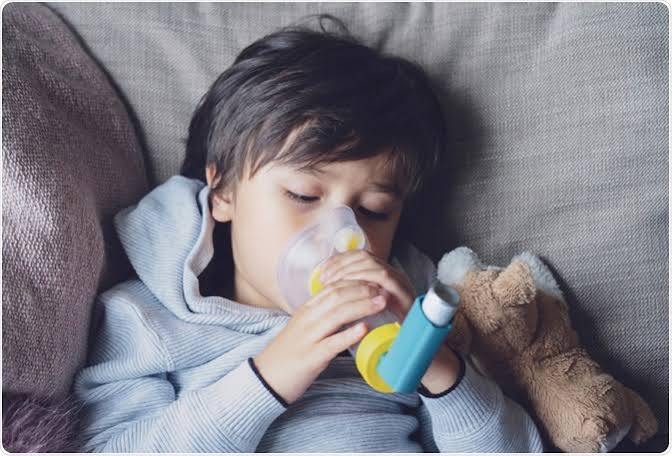
CHILDHOOD ASTHAMA
Childhood asthma is a condition in which inflammation and swelling of the airways can cause difficulty in breathing and obstruction of airflow. Common symptoms may include breathing difficulties, cough, cold, wheezing, and sometimes fever, particularly when associated with respiratory infections.
Treatment may include inhalers, allergy management, and lifestyle modifications. In severe cases, nebulization or biologic therapy may be required. Regular medical check-ups, proper medication use, and preventive care can help control symptoms, reduce flare-ups, and improve the child’s quality of life.
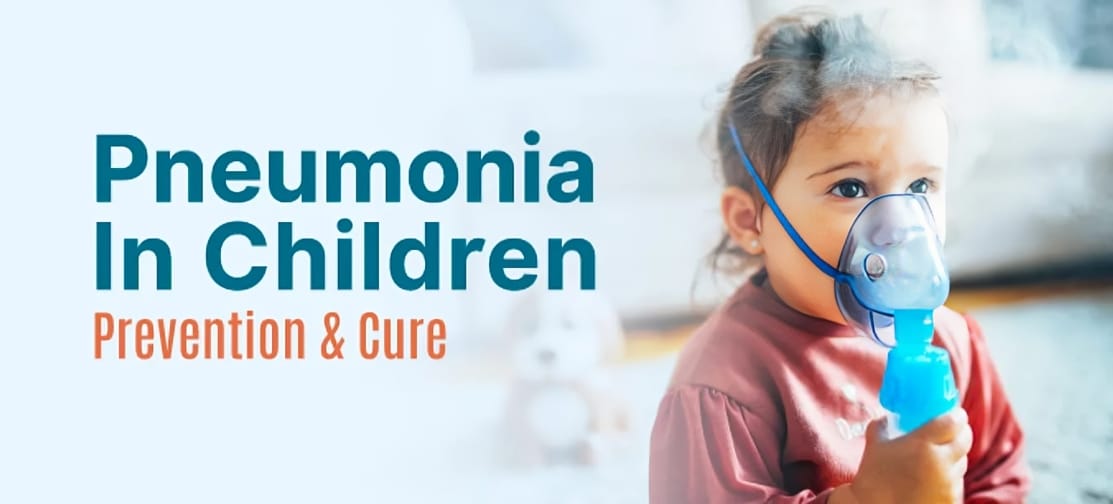
PNEUMONIA
Pneumonia is a serious infection of the lungs, mainly caused by viruses, bacteria, or fungi. Since young babies have an underdeveloped immune system, they are at a higher risk of developing pneumonia.
If not treated on time, pneumonia can cause difficulty in breathing, low oxygen levels in the blood, and can become life-threatening. Timely vaccination, good hygiene, a balanced diet, and keeping the baby away from sick individuals are essential for protection against pneumonia.
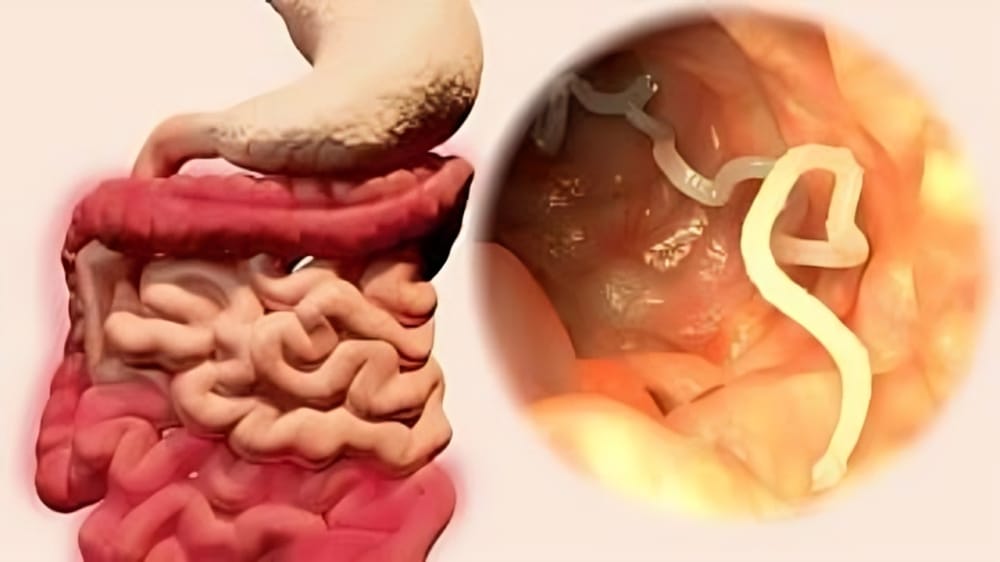
INTESTINAL WORMS
Intestinal worms enter a baby’s body through contaminated food, unclean water, contact with soil, dirty hands, or inadequate hygiene. Worm infestations can cause abdominal pain, loss of appetite, poor weight gain, anemia, weakness, and can affect growth.
If left untreated for a long time, they can also adversely affect the baby’s physical and intellectual development. Therefore, maintaining regular hygiene, providing clean food and water, and giving appropriate deworming medicines at the right time as advised by a doctor are extremely important.
TYPHOID
Typhoid is an infectious disease caused by the bacterium Salmonella Typhi. Babies can contract the infection through contaminated water, food, or poor hygiene. It may cause symptoms such as persistent fever, weakness, loss of appetite, abdominal pain, vomiting, or diarrhoea.
If not treated on time, it can lead to serious complications in the intestines and adversely affect the baby’s health. Therefore, it is extremely important to consult a doctor promptly when symptoms appear and start appropriate treatment.
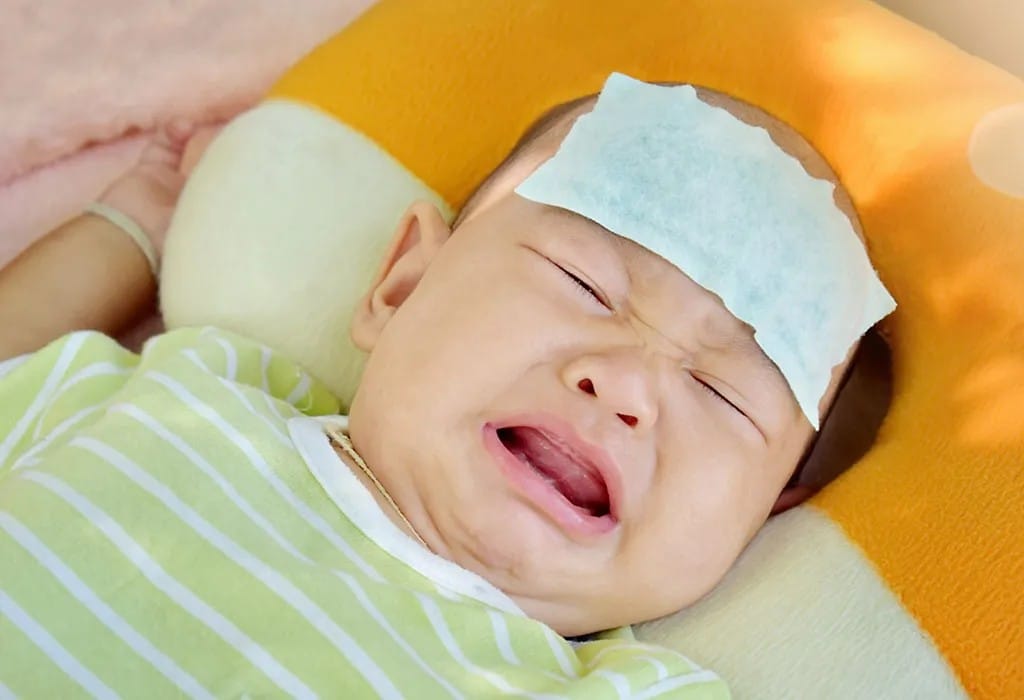
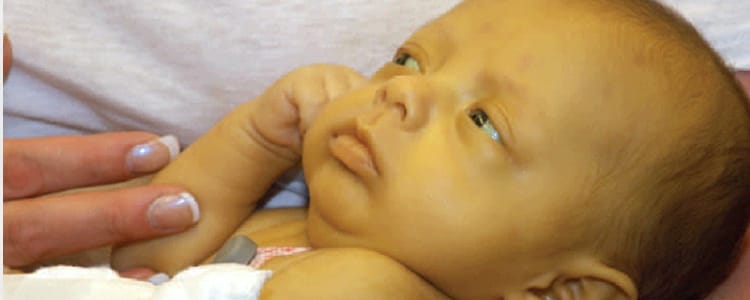
JAUNDICE
aundice is a condition caused by an increased level of bilirubin in the blood. It can be common in newborn babies; however, in some cases, it can become serious. If jaundice worsens, there is a risk of adverse effects on the baby’s brain and other organs.
In older children, jaundice can occur due to contaminated water and contaminated food. If not treated on time, jaundice can become severe.
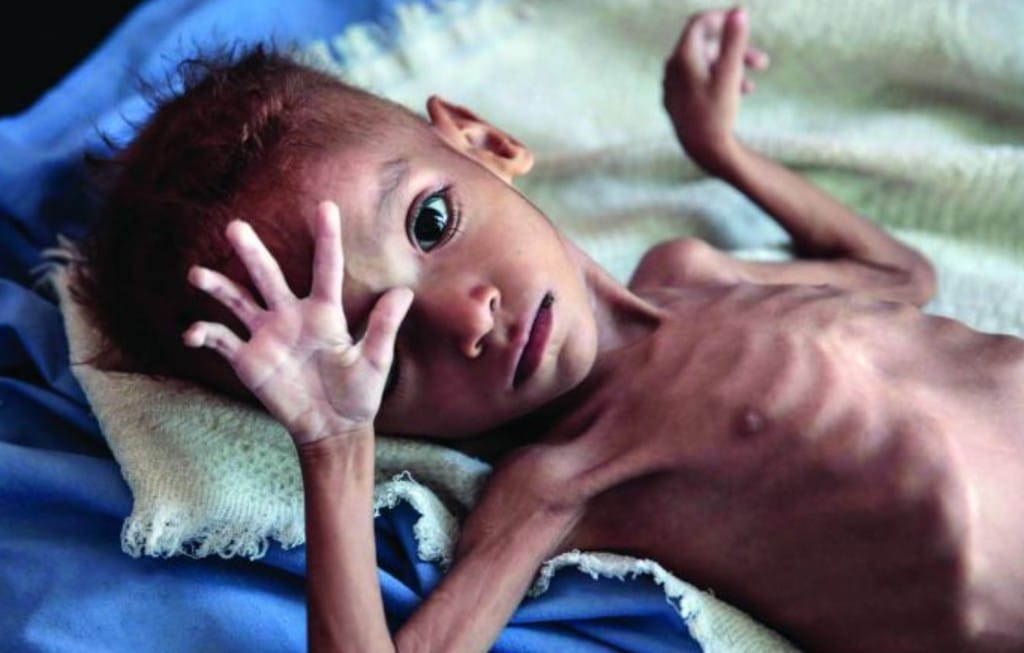
MALNUTRITION
Malnutrition can affect a baby’s physical and mental growth, lead to low body weight, weaken the immune system, and increase the risk of recurrent infections. It can also cause anemia, weakness, and developmental delays.
As a measure, it is essential to provide the baby with a balanced and nutritious diet appropriate for their age, necessary vitamins and minerals, regular vaccinations, and treatment as advised by a doctor. With timely treatment, malnutrition can be effectively managed.
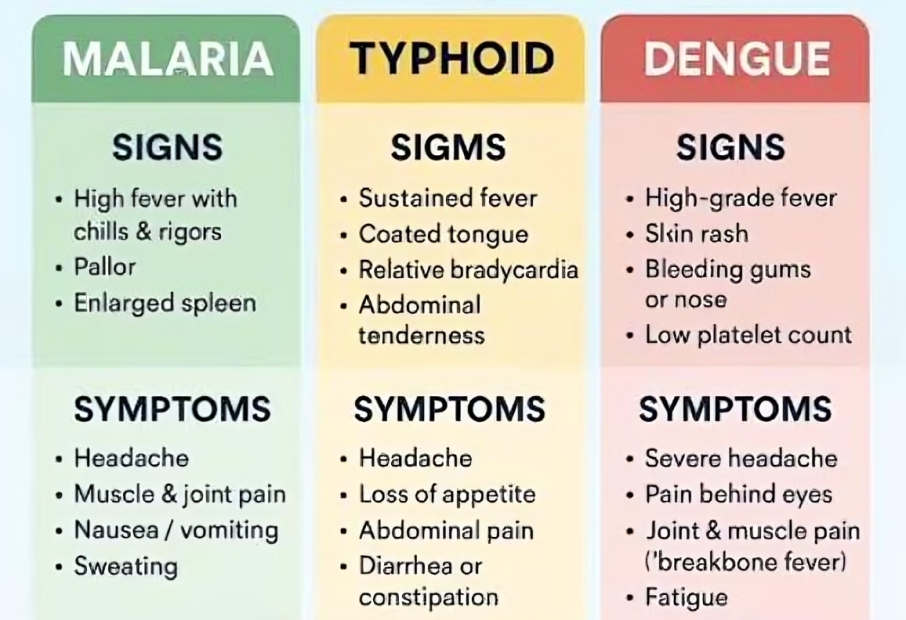
DENGUE AND MALERIA : DIAGNOSIS & TREATMENT
Symptoms: Chills and fever, headache, pain behind the eyes, joint pain, low platelet count, and red rashes on the body. If such symptoms appear, consult a specialist doctor immediately.
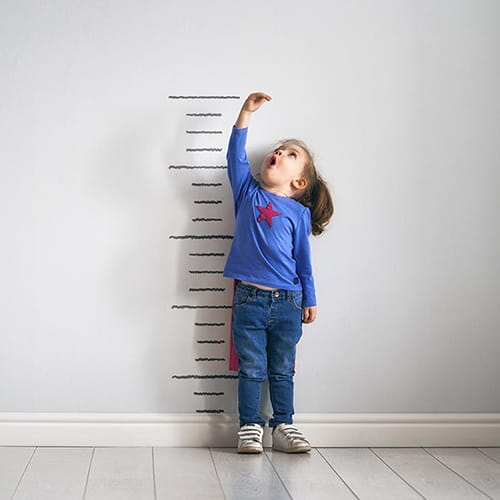
CHILD GROWTH AND DEVELOPMENT
Growth and development assessment evaluates a child’s physical growth, motor skills, cognitive ability, language, and social-emotional milestones. It includes monitoring height, weight, head circumference, BMI, and developmental milestones using standardized charts. It is needed to detect delays, malnutrition, hormonal disorders, congenital issues, neurological conditions, and behavioral concerns early.
Regular assessment ensures timely interventions, guides parental counseling, supports healthy development, and helps track overall well-being from infancy to adolescence.
Gallery