About Us
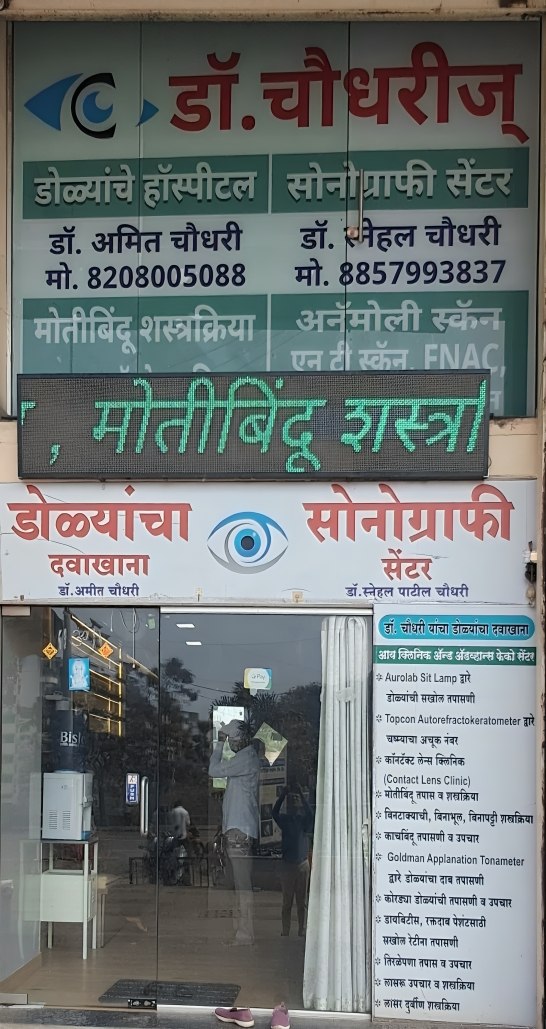
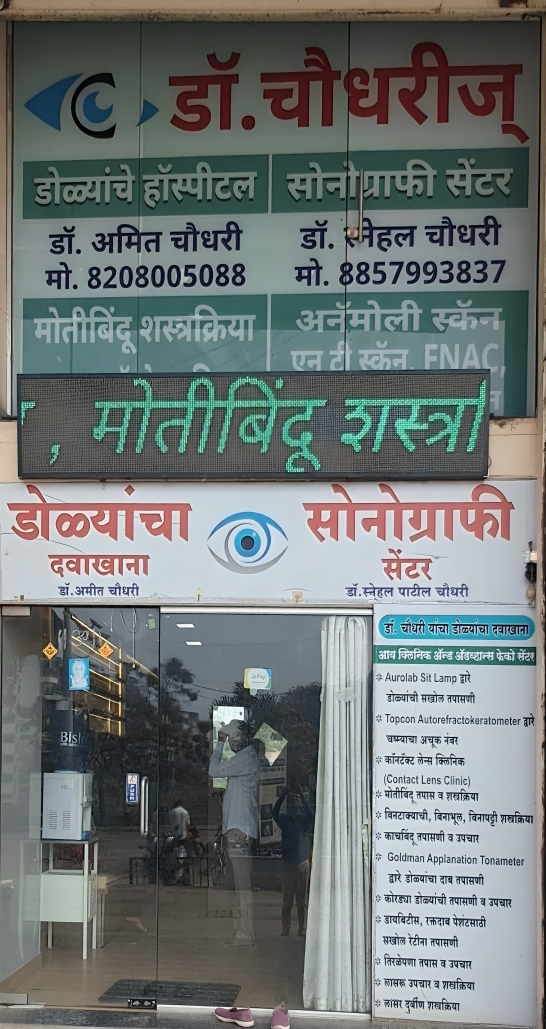
Dr. CHAUDHARI
EYE HOSPITAL AND DIAGNOSTIC CENTRE
"EXCELLENCE IN EYE CARE AND DIAGNOSIS".
At Dr. Chaudhari Eye Hospital and Diagnostic Centre, we provide comprehensive eye care and advanced diagnostic services under one roof. Our services include thorough eye examinations, contact lens clinic, glaucoma diagnosis and treatment, cataract (moti bindu) evaluation, and retinal screening for diabetic and blood pressure patients. We also offer advanced high-resolution ultrasound, colour Doppler, obstetric anomaly scans, and ultrasound-guided procedures with precision and care.
AVAILABLE FACILITIES OF EYE HOSPITAL
- Accurate eye power testing and exact number for glasses
- Comprehensive and thorough eye examination
- Contact Lens Clinic
- Cataract (Moti Bindu) inspection and surgery
- Imported and Indian intraocular lenses available
- Glaucoma diagnosis and treatment
- Retinal examination for diabetic and blood pressure patients
- Squint (Skewness) evaluation and management
- Laparoscopic surgery facilities
AVAILABLE FACILITIES OF DIGNOSTIC CENTER
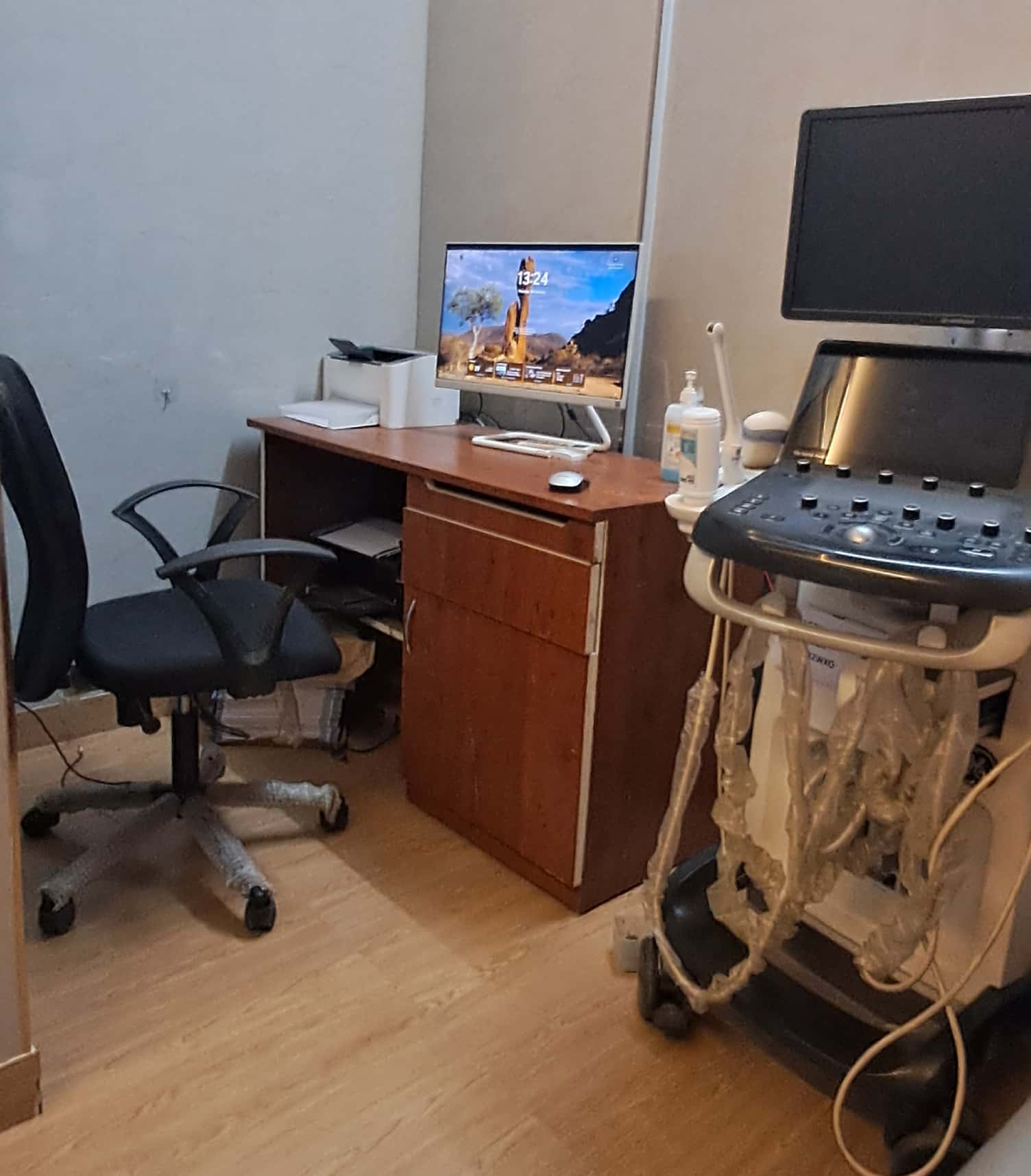
- Advanced High Resolution Ultrasound
- Facility Available
- Advanced High Resolution Ultrasound
- Cranial
- Orbital Musculoskeletal, Soft Tissues and Joints
- Tansvaginal/Transrectal
- Breast
- Advanced Obstetric Ultrasound
- Colour Doppler
- Obstetric Renel
- Peripheral Vascular
- Carotid
- Portal Bed
- Penile for erectile dysfunctun
- Ultrasound Guided Procedure
- Neak Masses FN-C/Biopsy
- Liver parenchymal abscess Drainage
Products/Services
Dr.Choudhari Eye Hospital And sonography center
"EXCELLENCE IN EYE CARE AND DIAGNOSIS".
तुमचे डॉक्टर तुमचे हितचिंतक आहेत.
तुम्ही लवकर बरे व्हावे म्हणून ते प्रयत्न करीत असतात. ते सांगतील ते तुमच्या हिताचेच सांगतील.
त्यांनी सांगितलेली पथ्ये व सुचनांचे काटेकोर पालन करा.
Dr. CHAUDHARI EYE HOSPITAL AND DIAGNOSTIC CENTRE
Dr. AMIT S. CHAUDHARI
- M.S. (Ophthalmology)
- MBBS, FGO FICO
- Reg. No. - 2011051443
.png)
Dr. CHAUDHARI EYE HOSPITAL AND DIAGNOSTIC CENTRE
Dr. SNEHAL A. PATIL- CHAUDHARI
- MBBS DMRE
- Consultant Radiologist
- Reg. No. 2017083972
SERVICES:
- Sonography
- Colour Dopplor
- 3D, 4D Sonography
- Advanced Obstetric Ultrasound
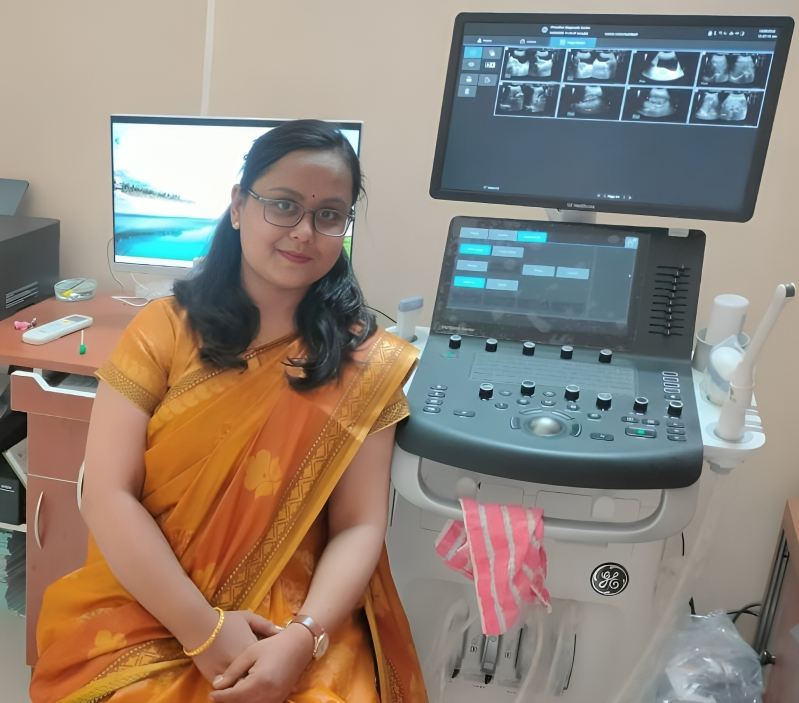
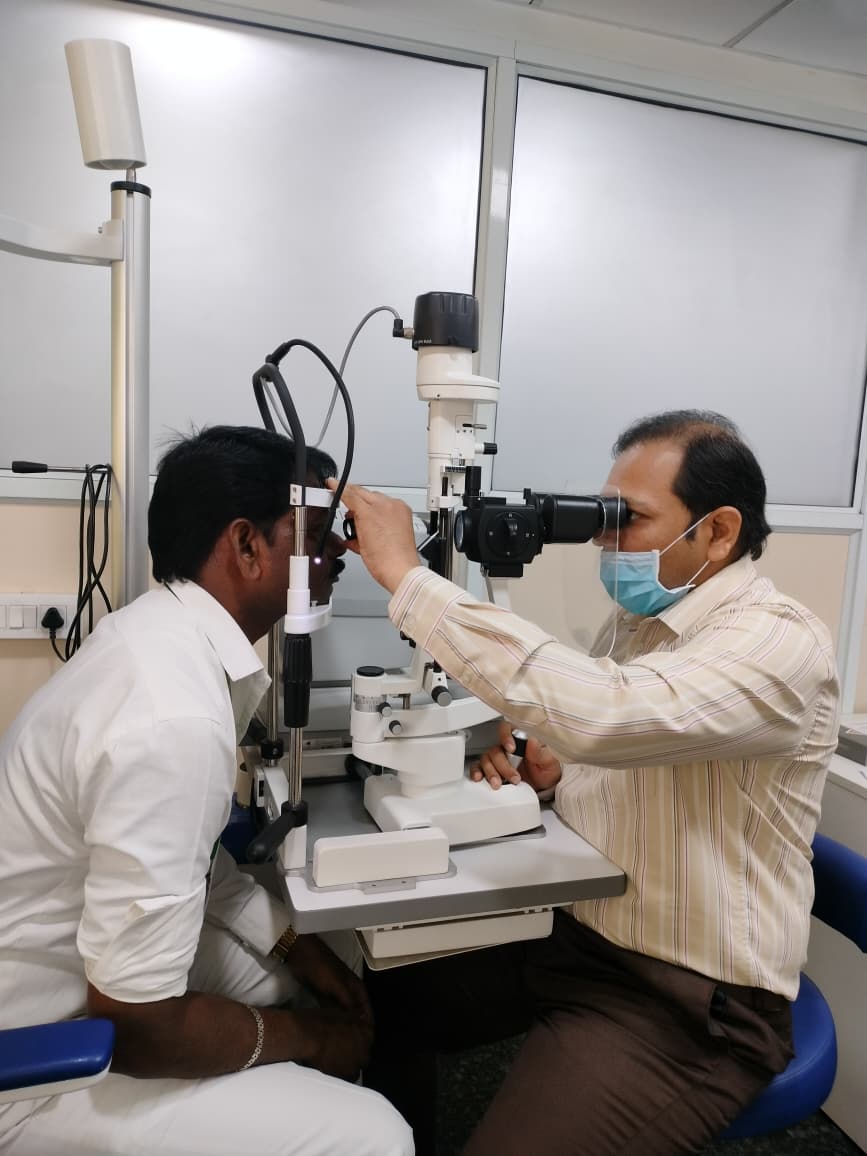
COMPUTERIZED EYE EXAMINATION
Computerized eye examination is a modern diagnostic method that uses advanced computer technology to accurately detect vision defects, refractive errors, corneal conditions, retinal disorders, intraocular pressure, and other eye-related problems.
This examination involves the use of specialized instruments such as an auto refractometer, slit-lamp biomicroscopy, immersion biometry, and an auto lensometer. The procedure is quick, painless, and provides highly accurate results.
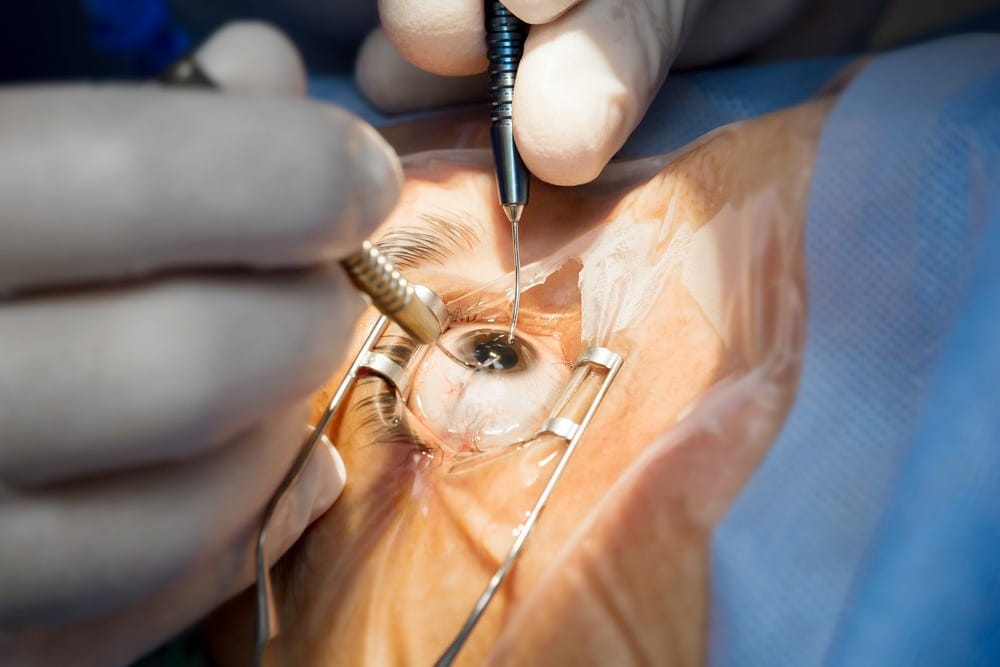
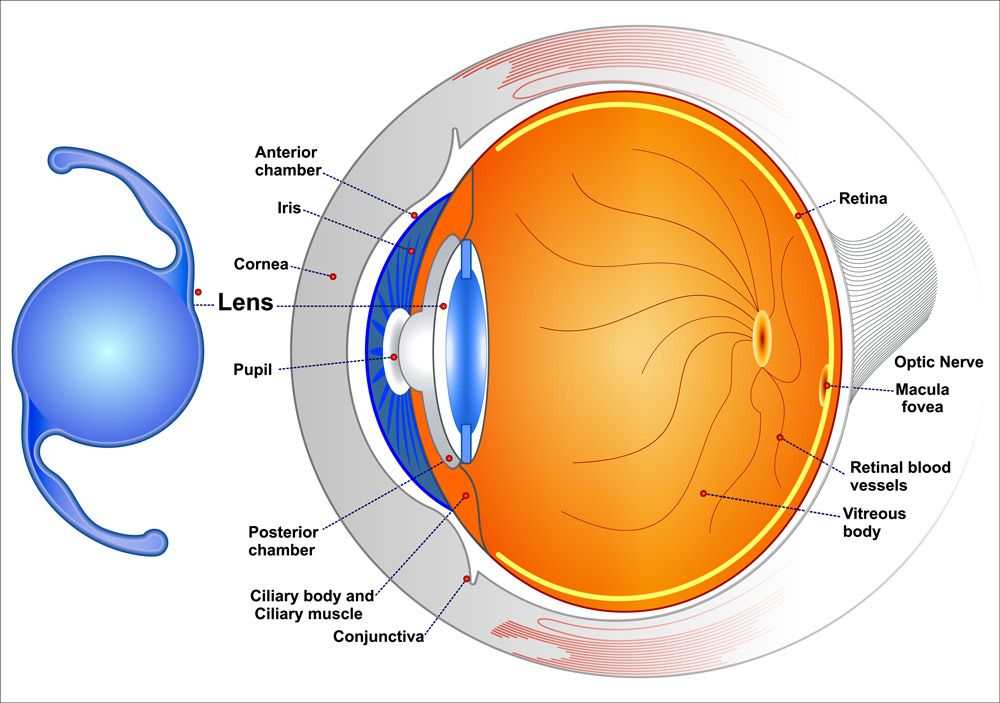
CATARACT SURGERY
Cataract is a major eye disorder. In this condition, the natural lens of the eye, which is normally clear and transparent like glass, becomes cloudy and whitish, resembling a pearl. Due to this loss of transparency, light rays are unable to reach the retina properly, resulting in reduced vision, blurred sight, and unclear images. Cataract can occur in one or both eyes. Today, it is one of the leading causes of early blindness.
Symptoms of Cataract:
- The most common complaint is blurred vision; everything appears unclear.
- Difficulty seeing clearly at night; halos may appear around lights at night.
- Sensitivity to light, with discomfort or pain in bright light.
- Seeing double images of a single object (double vision).
- Frequent changes in spectacle number.
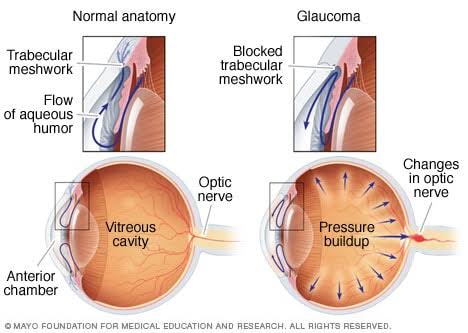
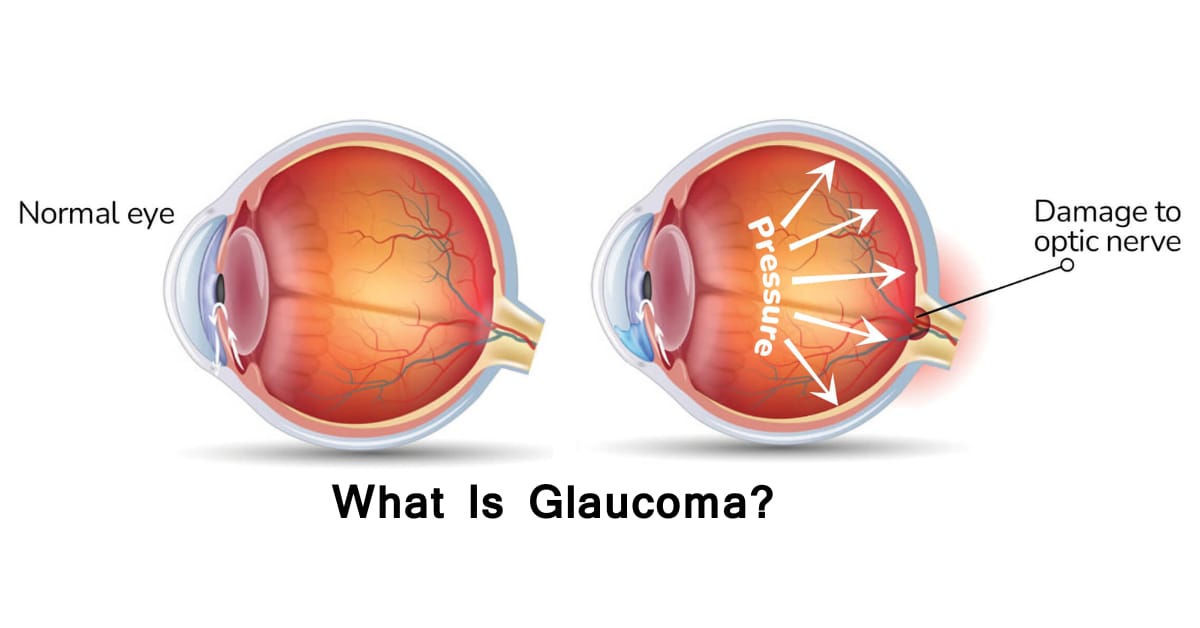
GLAUCOMA (KACHBINDU)
Glaucoma is a serious eye disease. It occurs due to damage to the optic nerve, leading to vision problems. The visual information seen by the eyes is transmitted to the brain through the optic nerve. However, in this condition, this vital nerve gets affected, which can result in loss of vision.
Symptoms of Glaucoma:
- In angle-closure glaucoma, the following symptoms may be experienced:
- Severe pain in the eyes
- Blurred or dim vision
- Loss of peripheral (side) vision
- Redness of the eyes
- Headache
- Nausea and vomiting
PHACO SURGERY
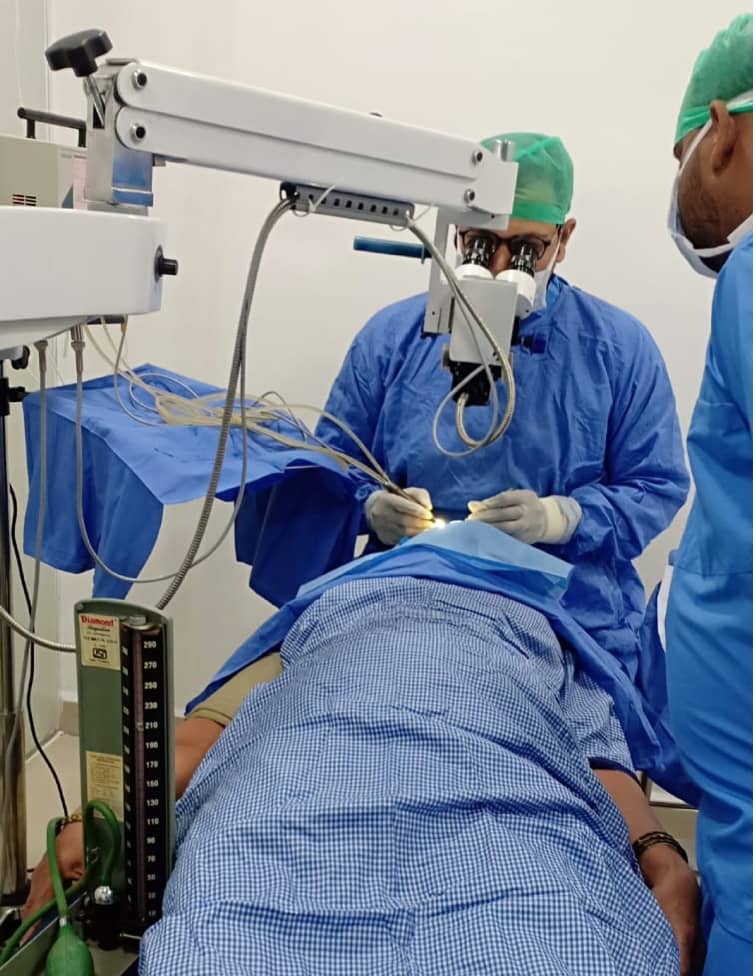
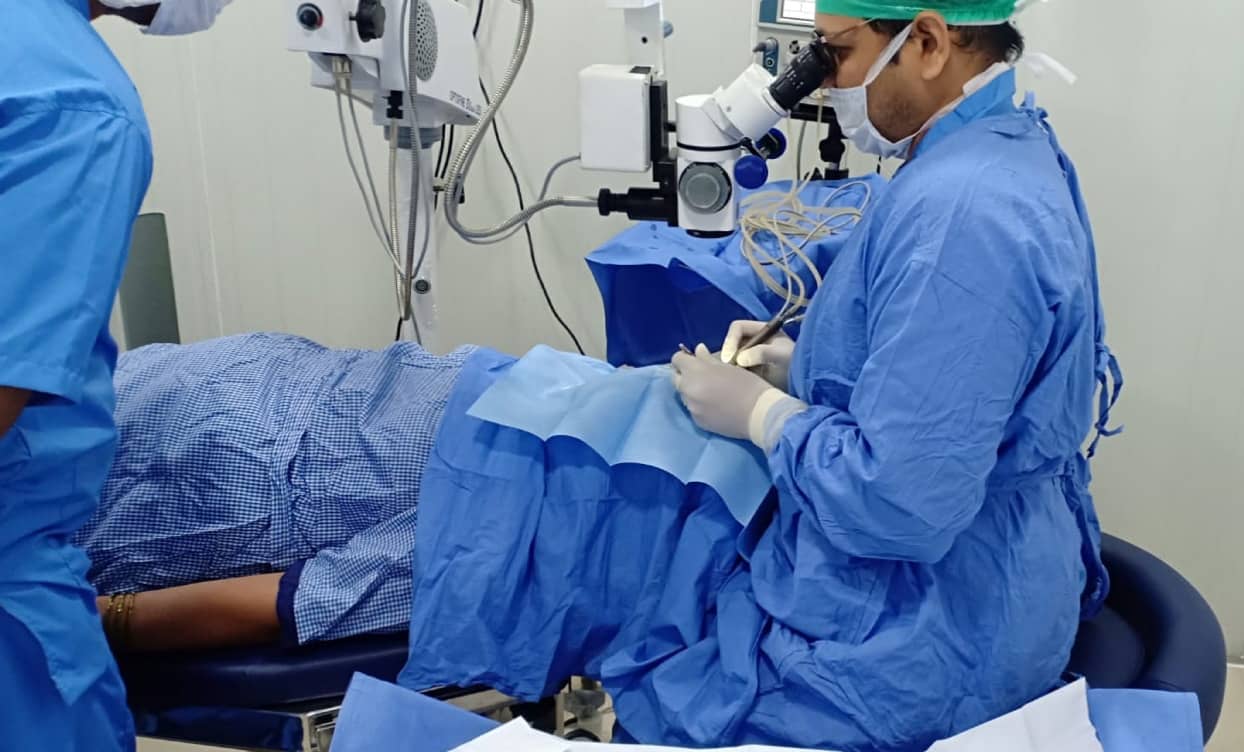
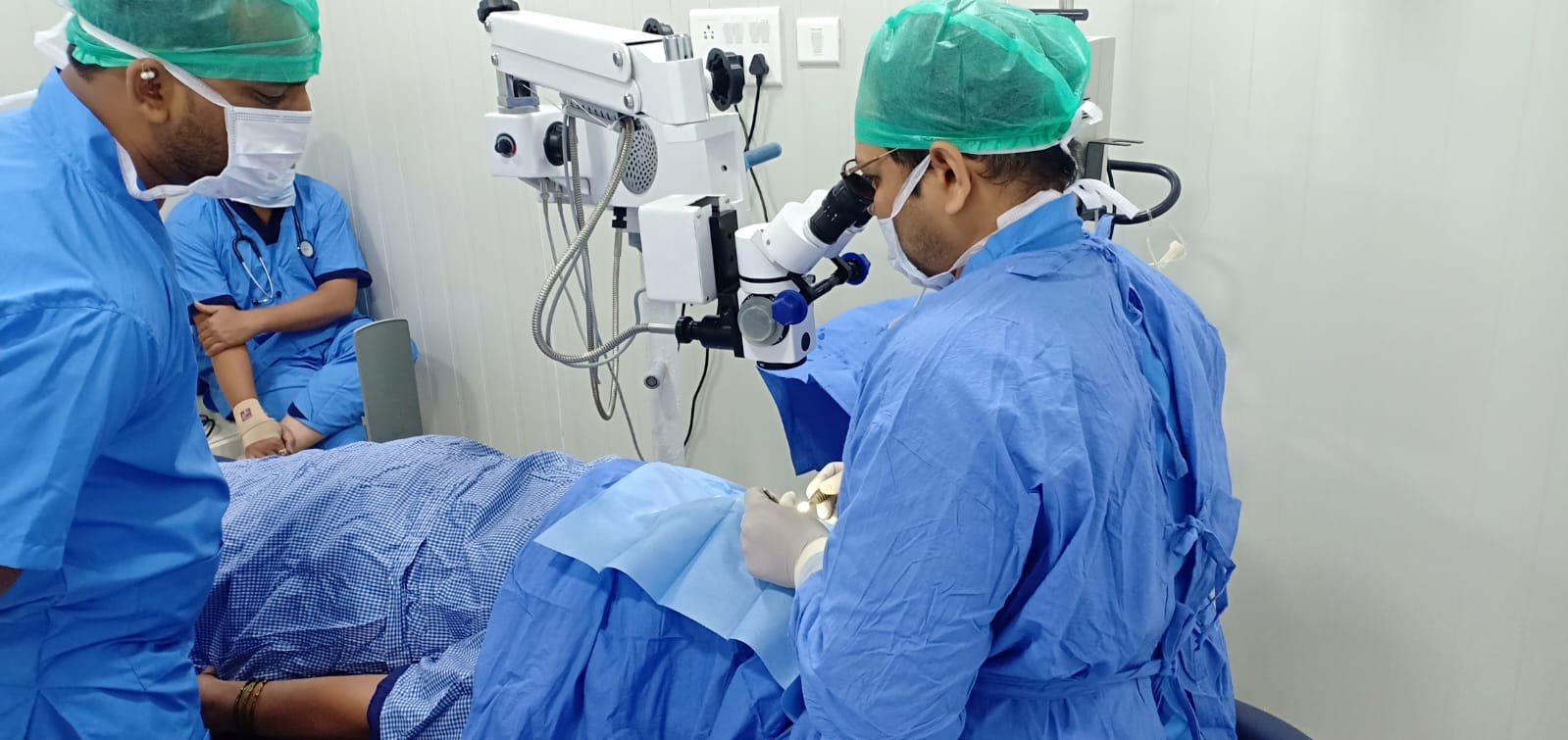
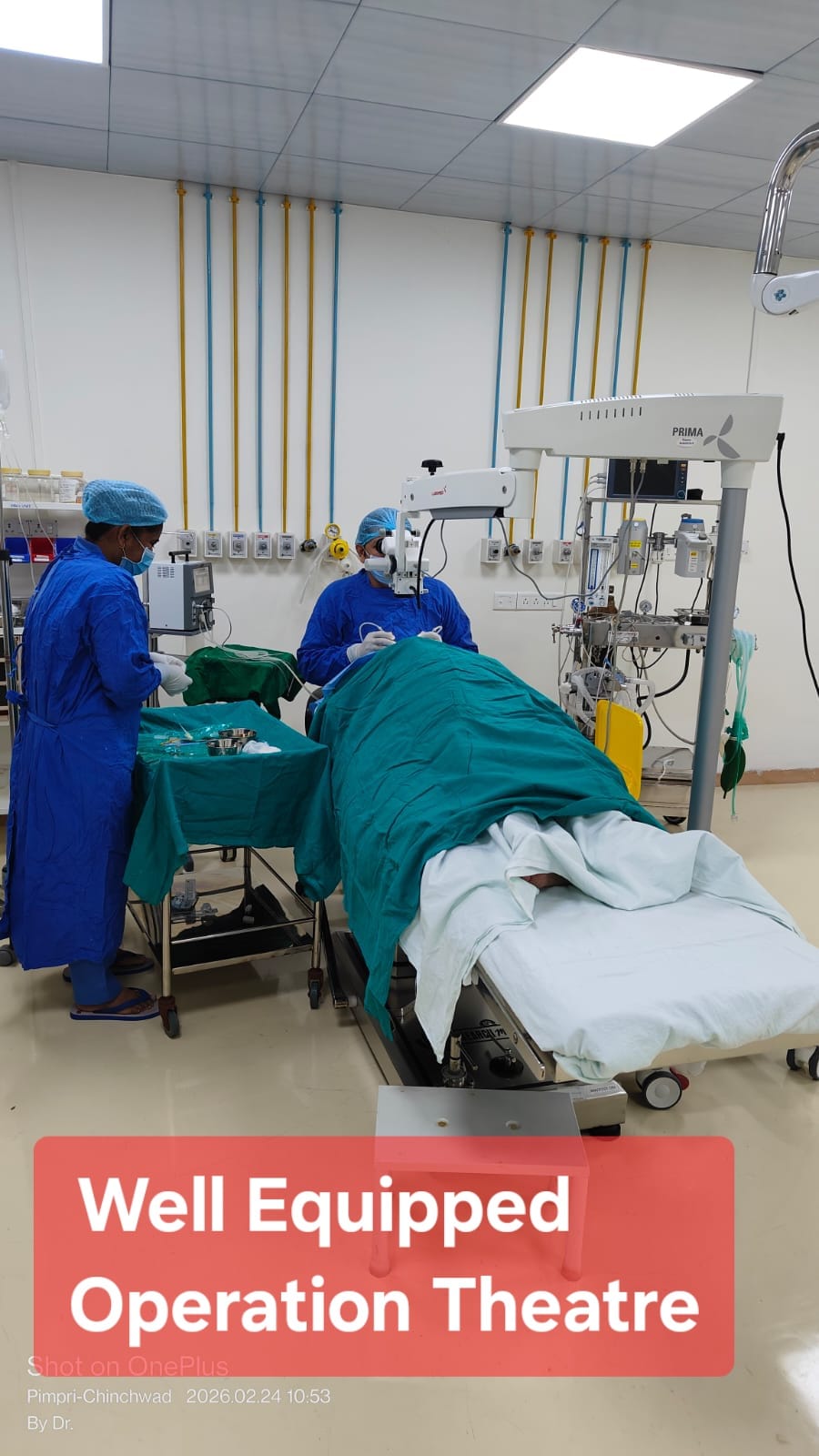
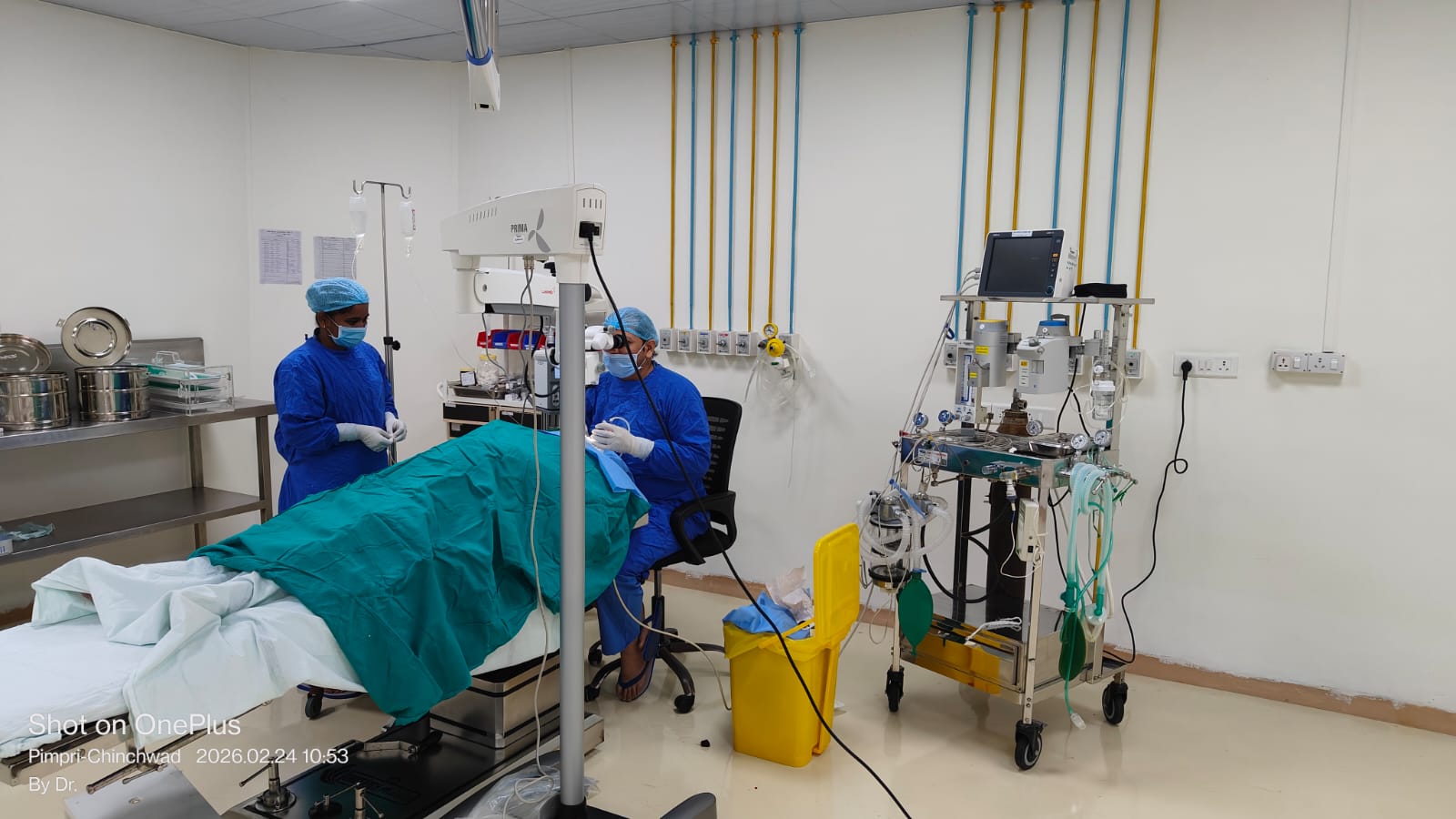
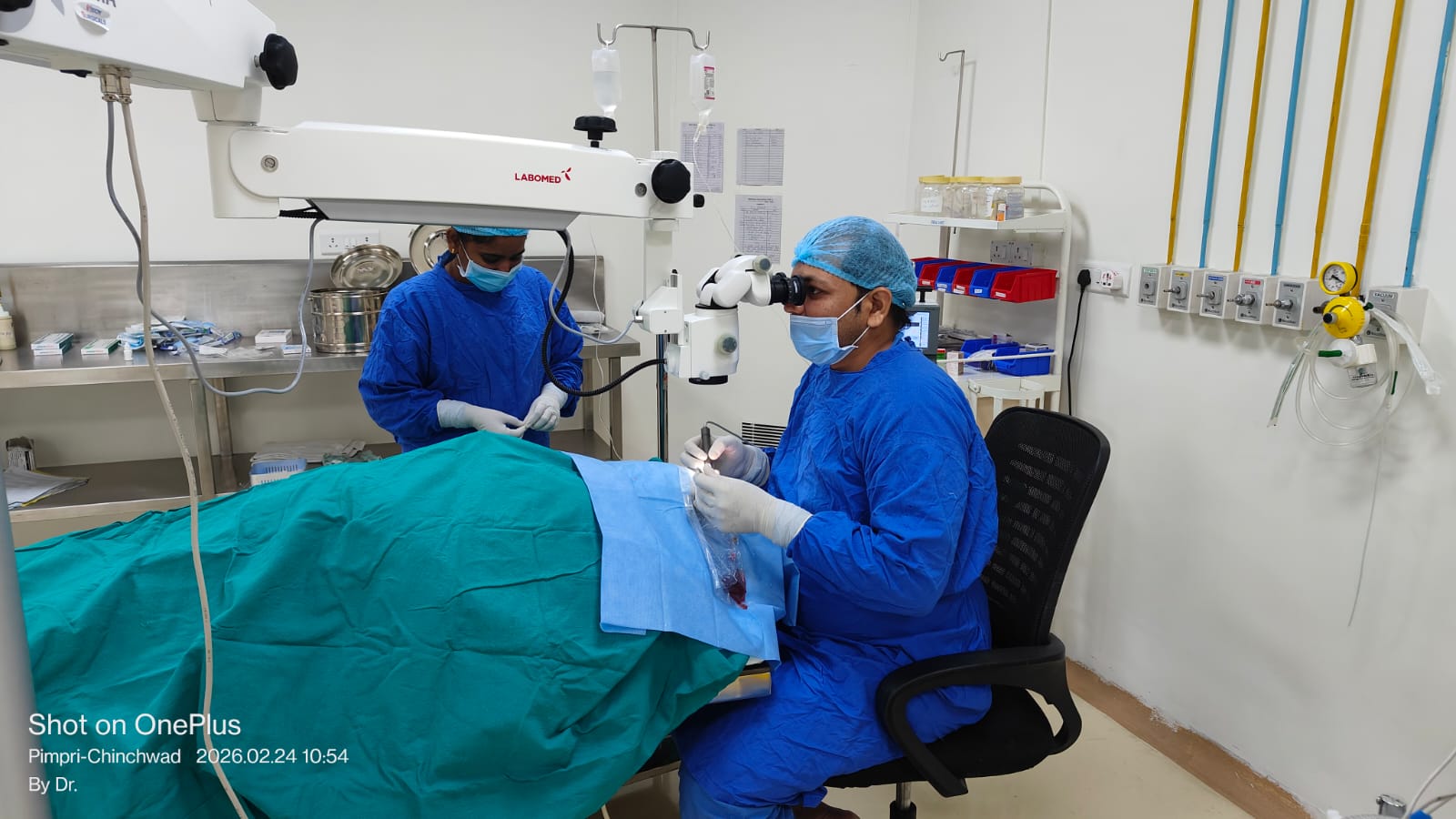
Phaco surgery, also known as phacoemulsification, is the most common and advanced surgical procedure for the treatment of cataract.
Procedure: In phaco surgery, the doctor makes a small incision (2–3 mm) near the cornea of the eye. Using ultrasound technology, the cataract-affected lens is broken into tiny fragments and removed with the help of a specialized machine. After removing the cloudy lens, a clear artificial intraocular lens (IOL) is implanted in its place.
Benefits:
- The procedure is usually completed within 15–30 minutes.
- It involves a very small incision in the eye.
- Vision improves quickly after surgery.
- No stitches (sutures) are required.
.jpeg)
IMPORTED AND INDIAN INTRACULAR LENSES
Intraocular Lens (IOL) Services provide patients with a choice between high-quality imported and Indian lenses for cataract surgery. These lenses replace the eye’s natural cloudy lens to restore clear vision. Options include monofocal, multifocal, toric, and premium IOLs, tailored to individual vision needs. The clinic offers expert guidance to select the most suitable lens based on lifestyle, prescription, and budget. Comprehensive pre- and post-surgery care ensures safety, comfort, and optimal visual outcomes for every patient.
DIABETIC RETINOPATHY
Diabetic retinopathy is a serious eye disease caused by diabetes. In this condition, the blood vessels in the retina (the light-sensitive layer at the back of the eye) become weak. This can lead to bleeding, swelling, or the formation of abnormal new blood vessels.
If left untreated, diabetic retinopathy can lead to permanent blindness. Therefore, it is very important for diabetic patients to undergo regular eye examinations for early detection and timely treatment.
Symptoms of Diabetic Retinopathy
- Blurred or unclear vision
- Decrease in vision
- Dark or floating spots (floaters) in front of the eyes
- Difficulty in recognizing colors
- Eye strain or pain
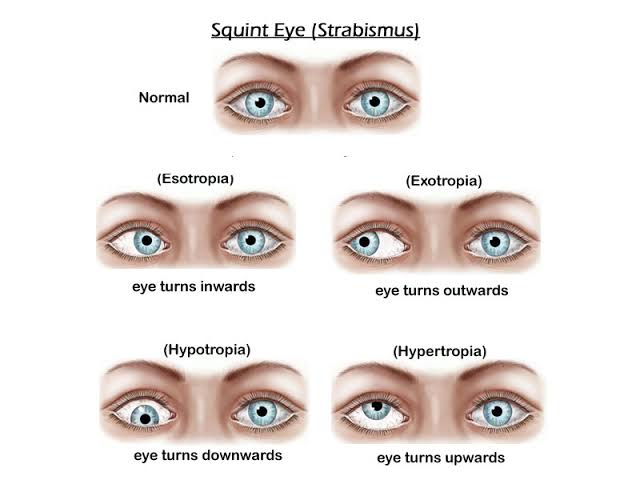
EYE DISORDERS IN CHILDREN AND SQUINT SURGERY
Common eye problems in children include squint (misalignment of the eyes), difficulty in seeing near or distant objects, lazy eye (amblyopia), congenital cataract, and excessive watering of the eyes. Among these, squint refers to a condition in which both eyes do not look in the same direction.
This condition not only affects the child’s appearance but also poses a significant risk of reduced vision if left untreated. Squint can be corrected through a surgical procedure known as squint surgery, in which the eye muscles are adjusted to bring the eyes into proper alignment.
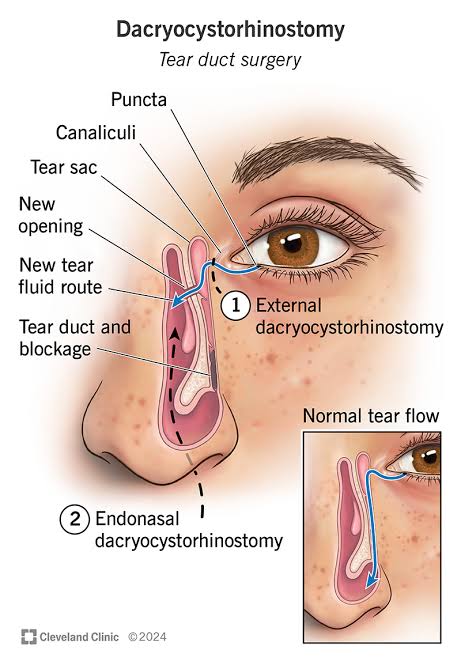
NASUR (LACRIMAL DUCT) SURGERY
Lacrimal duct surgery is performed to remove blockage or infection in the tear drainage system (lacrimal duct), which carries tears from the eye to the nose. In this procedure, Probing is used to open the blocked duct. DCR (Dacryocystorhinostomy) involves creating a new passage between the lacrimal sac and the nose to allow proper drainage of tears. Endonasal DCR is a modern, minimally invasive technique performed through the nose using advanced micro-instruments.
Treatment is necessary because blockage of the duct leads to continuous watering of the eyes, swelling around the eye, and recurrent infections. Surgery helps maintain eye health, reduces pain and discomfort, prevents complications affecting vision, and allows the patient to carry out daily activities comfortably.
ADVANCED HIGH RESOLUTION ULTRASOUND
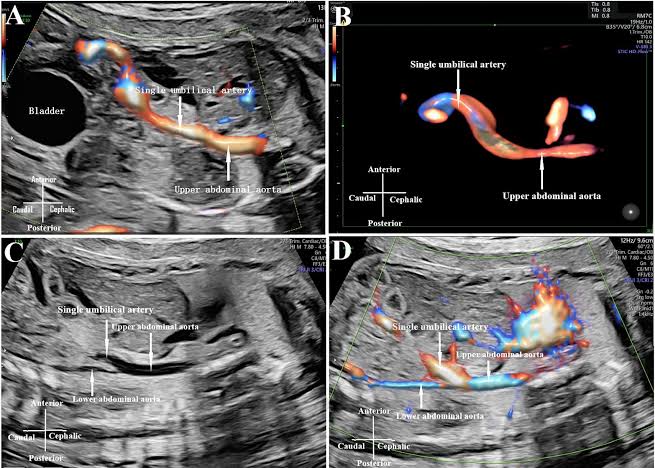
Provides detailed imaging for cranial (brain), orbital (eye), musculoskeletal system, soft tissues, joints, transvaginal/transrectal scans, breast evaluation, and abdominopelvic including obstetric anomaly scans.
Advantages: Non-invasive, radiation-free, highly accurate, real-time imaging, early disease detection, safe in pregnancy, quick procedure, and cost-effective.
COLOUR DOPPLER
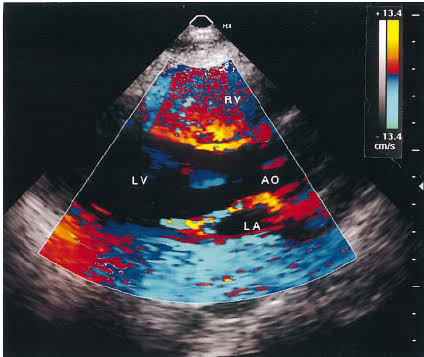
Colour Doppler is an advanced ultrasound technique that visualizes blood flow within vessels using color mapping. It is used in obstetric scans to assess fetal circulation, renal studies for kidney blood flow, peripheral vascular and carotid studies for blockages, portal bed for liver circulation, and penile Doppler for erectile dysfunction.
Benefits : Non-invasive, radiation-free, detects blood flow abnormalities, helps in early diagnosis, guides treatment planning, and provides real-time, accurate vascular assessment.
ULTRASOUND GUIDED PROCEDURE
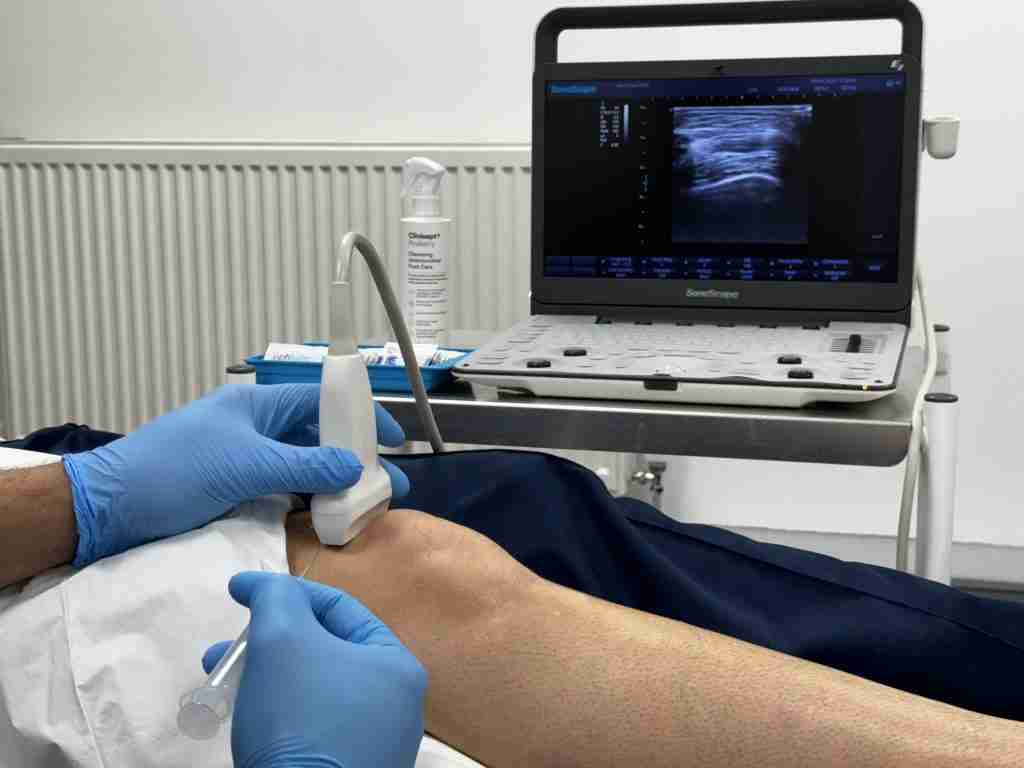
Ultrasound-guided procedures use real-time imaging to accurately place a needle or catheter inside the body. In neck masses FNAC/biopsy, cells are precisely sampled for diagnosis. In ascitic or pleural effusion drainage, excess fluid is safely removed. In liver parenchymal abscess drainage, pus is evacuated effectively. These procedures are minimally invasive, reduce complications, improve accuracy, and ensure faster recovery with better patient outcomes.
Gallery